AI for Handyman Businesses: How Artificial Intelligence Is Changing Home Service Operations in 2026
Where AI actually shows up in handyman operations in 2026 — photo-based estimates, missed-call text-back, automated follow-up, and smarter scheduling.
Most handyman business owners aren't thinking about artificial intelligence while they're under a sink or on a ladder replacing a fan. AI sounds like something for tech companies with engineering teams — not a one-truck operation.
The reality by 2026 looks different. AI-powered features have quietly become practical, everyday tools inside the software handymen already use — generating a first-pass estimate from a few job photos, texting back a missed call automatically, or nudging a cold lead before it goes silent. The businesses adopting these tools aren't doing it because they're excited about technology. They're doing it because these specific features solve problems that used to require hiring administrative help or simply eating the lost revenue.
This guide covers where AI is actually showing up in handyman operations right now, which applications deliver real value versus added complexity, and what it looks like in practice.
What “AI” Actually Means Here
For a handyman business, practical AI means software features — not a standalone product — that use machine learning or image recognition to automate tasks that used to require manual judgment: drafting an estimate from job-site photos, responding to an inquiry the moment it arrives, flagging which past customers are due for a follow-up, or sequencing a day's jobs more efficiently.
Most of the AI that actually helps a handyman business lives inside the field service platforms they're already using — Jobber, Housecall Pro, QuoteIQ, FixerCRM — rather than as a separate subscription bolted on top. What AI doesn't do is replace the judgment and relationship that's the actual product: homeowners hire a specific person or business to assess a situation and fix it well. AI handles the administrative layer around that — it doesn't change what happens at the job site.
Why It Matters Now
The competitive pressure here is local and immediate. A homeowner comparing a few handymen online tends to go with whoever responds fastest and most professionally — a business sending a clear estimate within fifteen minutes has a real edge over one that calls back hours later with a verbal number. None of this requires understanding AI technically. It requires choosing software that already has automation built into how it handles communication, follow-up, and estimating.
Estimate Generation From Photos
Estimating is one of the more time-consuming admin tasks in this business, especially for anything beyond a routine job — accounting for materials, labor hours, markup, and margin before a number even gets written down.
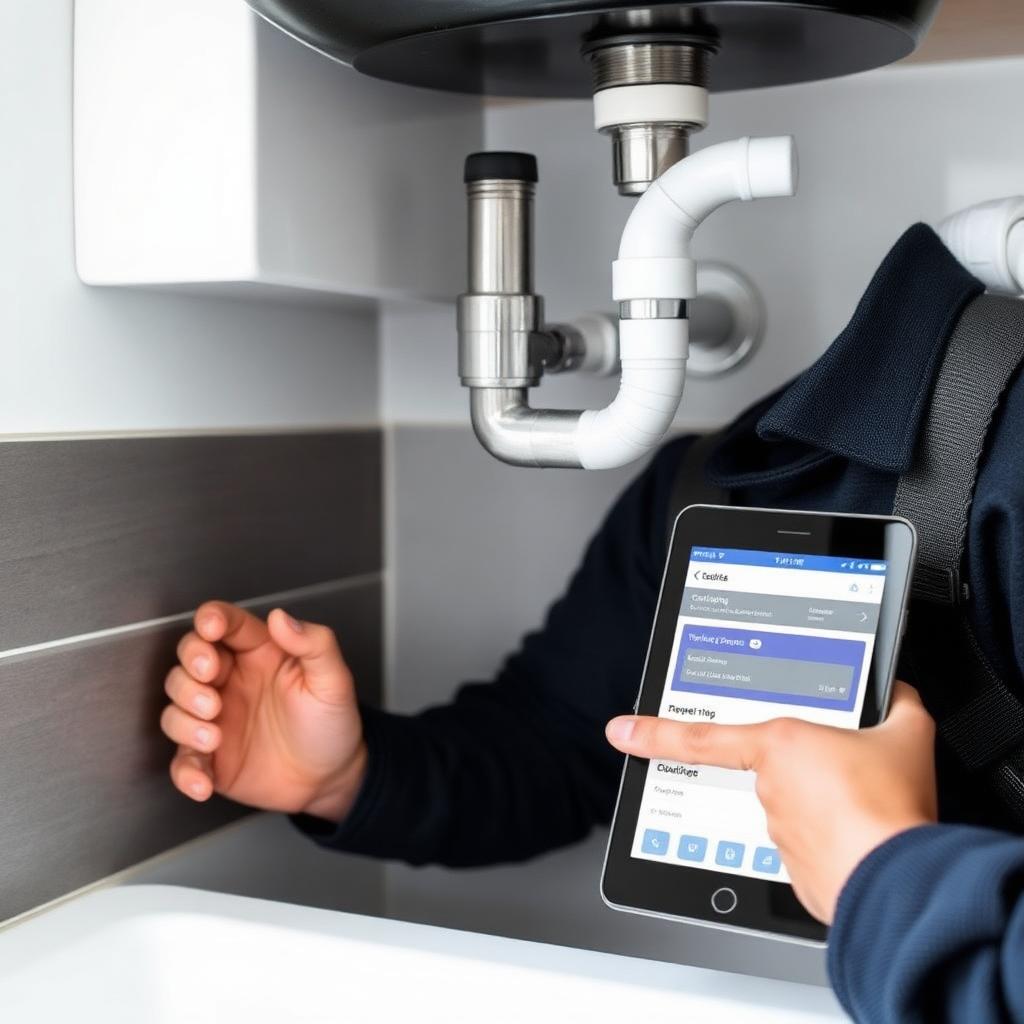
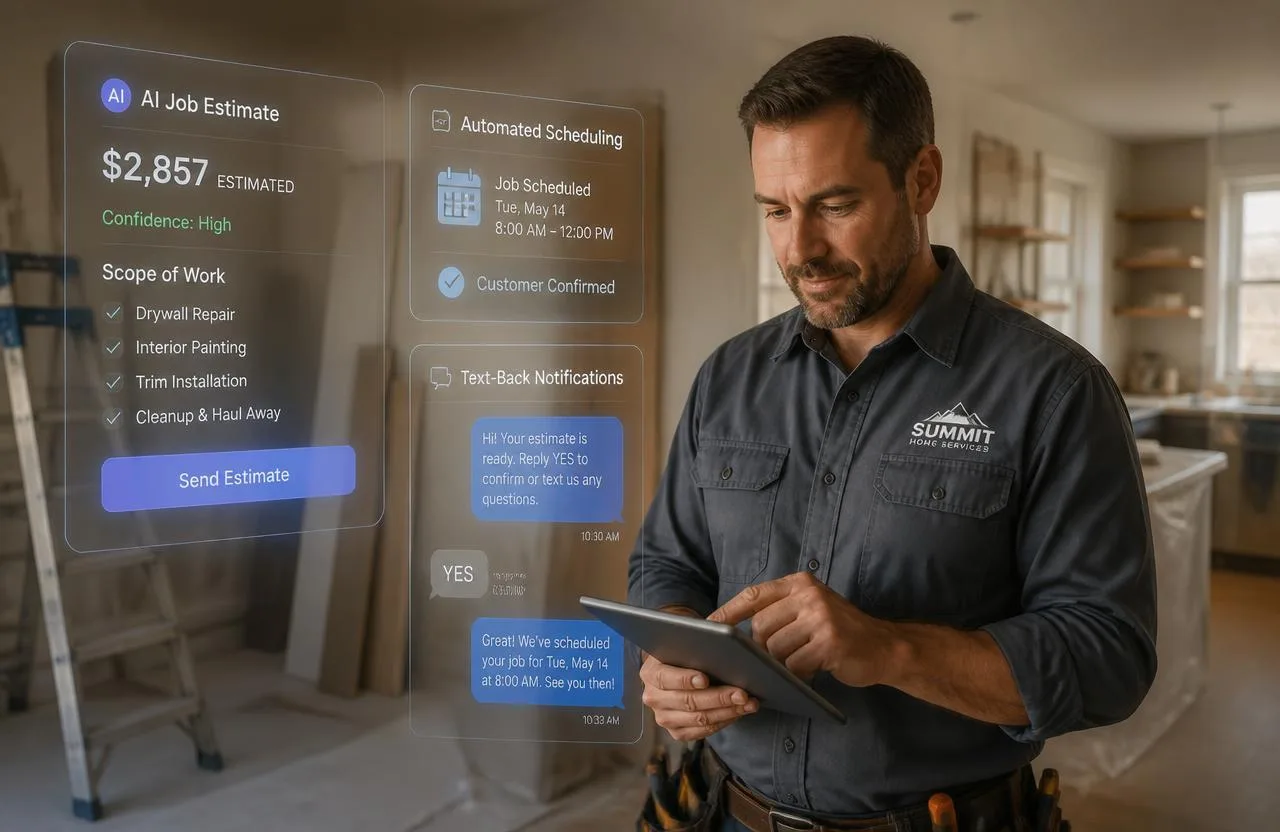
Photo-based estimating tools are the most practically useful version of this: a handyman photographs the damage or work area, and the software analyzes the images to suggest a repair category, rough material quantities, and a pricing range based on what's visible. It's a starting draft, not a finished quote — the handyman still reviews and adjusts before anything goes to the customer. This works especially well for visually consistent repair types — drywall damage, worn trim, broken fixtures — where scope maps fairly predictably to standard material and labor needs.
Faster, Automatic Lead Response
Response speed is one of the most consistent leaks in handyman revenue. Automated response systems and simple chat-style intake tools can acknowledge a new inquiry at any hour — collecting name, contact info, and the service needed — even when nobody's available to personally reply yet.
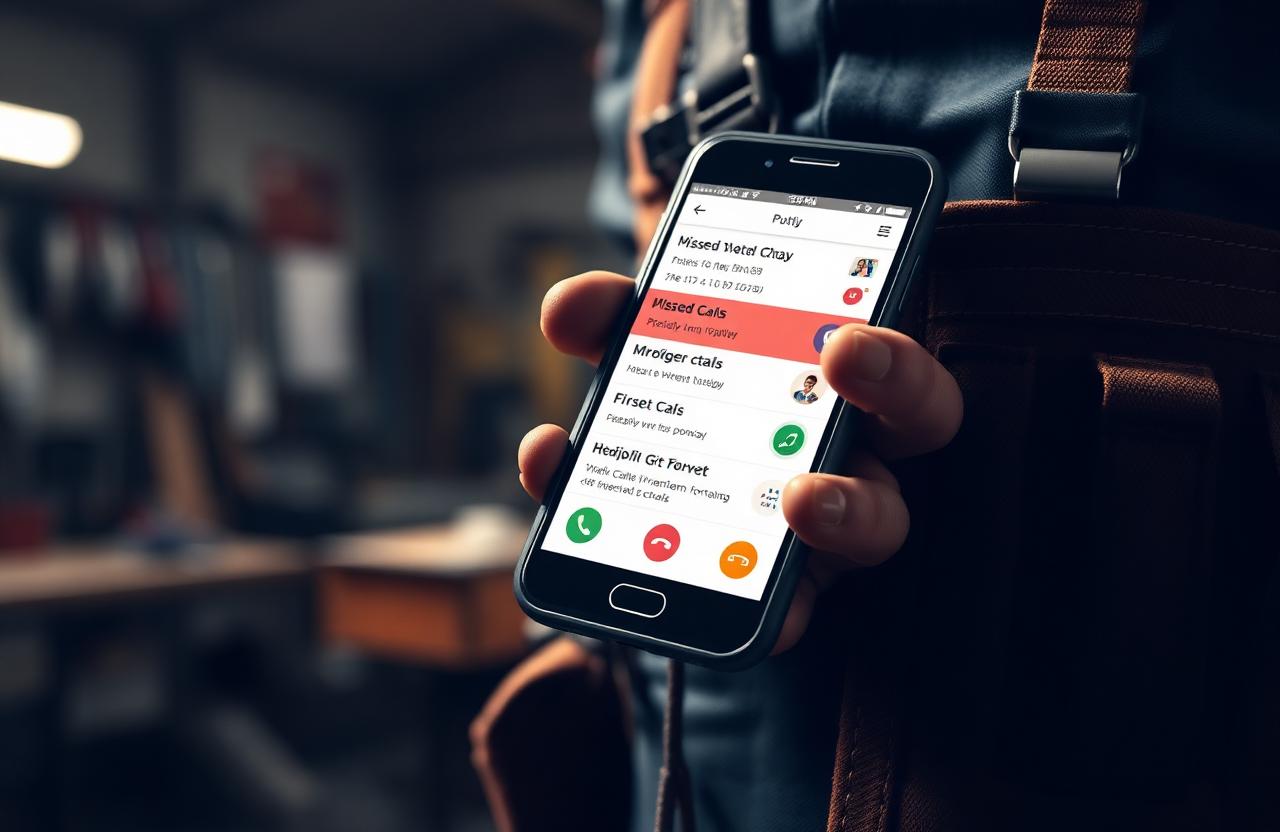
The most immediately useful version of this is missed-call text-back: when a call goes unanswered because you're mid-job, the system sends an instant text instead of letting it go to voicemail, keeping the conversation open until you can follow up yourself. Our guide on why missed calls cost contractors money covers the scale of this problem in more detail.
Automated Follow-Up Sequences
The handyman version of “AI productivity” isn't working faster hours — it's completing more jobs without adding staff, largely by handling the follow-up that would otherwise eat evenings and weekends. A well-set-up sequence nudges an unapproved estimate after 48 hours, checks in a day after a completed job, requests a review a couple of days after payment, and reaches out to past customers when a seasonal service becomes relevant — all without anyone remembering to send it manually.
Smarter Scheduling
Route optimization — reordering a day's jobs by geography instead of the order calls came in — routinely saves real drive time across a multi-stop day, which adds up to a meaningful chunk of extra billable time over a month. Some scheduling tools go further, using booking history and seasonal patterns to anticipate busy periods rather than reacting to them after the fact.
More Natural Customer Communication
Modern CRM messaging has gotten better at sounding like a person rather than a template for routine touchpoints — confirmations, reminders, payment nudges. For a solo handyman, being able to respond to a Sunday-night inquiry with something specific and immediate, rather than waiting until Monday, changes the first impression a homeowner gets of the business.
Reputation Management
Some review-management tools now monitor your profiles across Google and other platforms, flag new reviews, and can draft a response suggestion for each one. The businesses collecting the most reviews generally aren't asking the hardest — they're the ones with a reliable automated request running after every job.
Where to Find These Tools
Most of the AI that's actually useful for a handyman business is already built into the field service platforms in our best handyman software guide — QuoteIQ's AI-assisted estimator and self-booking, and automation for communication and reminders inside Housecall Pro, Jobber, and FixerCRM.
Beyond that, a few external tools serve specific needs: photo-documentation apps that timestamp and organize job-site photos (useful for both estimating and dispute protection), AI writing assistants for keeping up a social media presence without spending hours drafting captions, and AI-driven intake forms that can gather job details and schedule a preliminary visit without a phone call.
What AI Doesn't Replace
AI can't assess a job site the way an experienced professional can — image-based estimate drafts are a useful starting point, not a substitute for judgment about what's actually behind a wall or what complications might come up. Every AI-generated estimate needs a human review before it goes out.
It also can't manufacture the trust that comes from doing good work for the same customer more than once — automation keeps the business present and consistent, but the relationship itself is still built job by job. And it doesn't guarantee conversion: faster response and more consistent follow-up help, but pricing, availability, and reputation still decide whether a lead actually books.
How FixerCRM Uses This Kind of Automation
FixerCRM's automation runs as one connected sequence rather than a set of separate features to configure individually: a booking request from your website creates a customer record and calendar entry automatically, a missed call during a job triggers an instant text reply, an unapproved estimate gets a follow-up nudge, a completed and invoiced job kicks off a review request, and a customer who's gone quiet for a few months gets a seasonal check-in. For a solo handyman, that's roughly the equivalent of a part-time coordinator who never forgets a follow-up.
What's included: a custom handyman website, CRM, scheduling, and this automation layer together — for a flat $97/month, $0 setup fee, no contracts. See our handyman CRM guide and lead generation guide for the broader picture of how these pieces fit together.
Getting Started
Start with whichever automation addresses your single biggest bottleneck right now. If missed calls are costing you leads, turn on text-back first. If estimates are going cold, set up automated follow-up before anything else. Each of these pays for itself before you need to think about anything more advanced — the value here comes from actually configuring and using a feature, not just having access to it.
At FixerCRM, the automation that matters most for a handyman business — missed-call response, lead follow-up, review requests, and reminders — comes built into the platform alongside your website and CRM, ready from day one. Get your free quote and see what it looks like for your business.
Ready to grow?