How to Start a Handyman Business: Step-by-Step Guide for 2026
Everything you need to know to launch a profitable handyman business — from registration and licensing to pricing, marketing, and finding your first customers.

Starting a handyman business can be one of the smartest ways to turn practical skills into a reliable, full-time income. Homeowners across every market constantly need help with minor repairs, installations, maintenance tasks, and small improvement projects. That steady, predictable demand makes the handyman industry an attractive option for anyone who enjoys working with their hands and wants to build something of their own.
The good news is that getting started does not require a massive upfront investment. Many successful handymen launch with basic tools, a reliable vehicle, and the confidence to handle common household repair jobs. As your reputation grows in the local community, you can expand your service list, raise your rates, and build a base of repeat customers who call you every time something needs fixing.
Today's homeowners almost always search online before hiring any contractor. That means having a professional online presence has become just as important as the quality of your workmanship. In this step-by-step guide, we will cover everything you need to know about how to start a handyman business — from registering your company and handling startup costs, to finding your first customers and building a profitable long-term operation.
What Is a Handyman Business?
A handyman business provides a wide range of repair, maintenance, installation, and home improvement services for homeowners, landlords, and small businesses. Unlike specialized contractors who focus exclusively on one trade, handymen typically handle many different types of jobs — making them a convenient and cost-effective solution for customers who need reliable help with everyday property maintenance.
A successful handyman business is built almost entirely on trust. Most customers are inviting you into their home, which means reliability, professionalism, and quality workmanship matter enormously. Over time, local recognition — built through referrals, positive reviews, and a visible online presence — becomes one of your most valuable business assets.
Is a Handyman Business Profitable?
Yes, a handyman business can be genuinely profitable, and for many people it becomes a strong full-time income within the first year or two of focused effort. One of the biggest financial advantages is the relatively low cost to get started. Profitability increases steadily as trust and reputation build in the local community.
Pricing also improves as your experience and reputation grow. Contractors with professional websites, strong customer reviews, and an established local presence often have more flexibility to charge premium rates because homeowners perceive them as more reliable and established than newer competitors.
Step 1: Choose Your Services
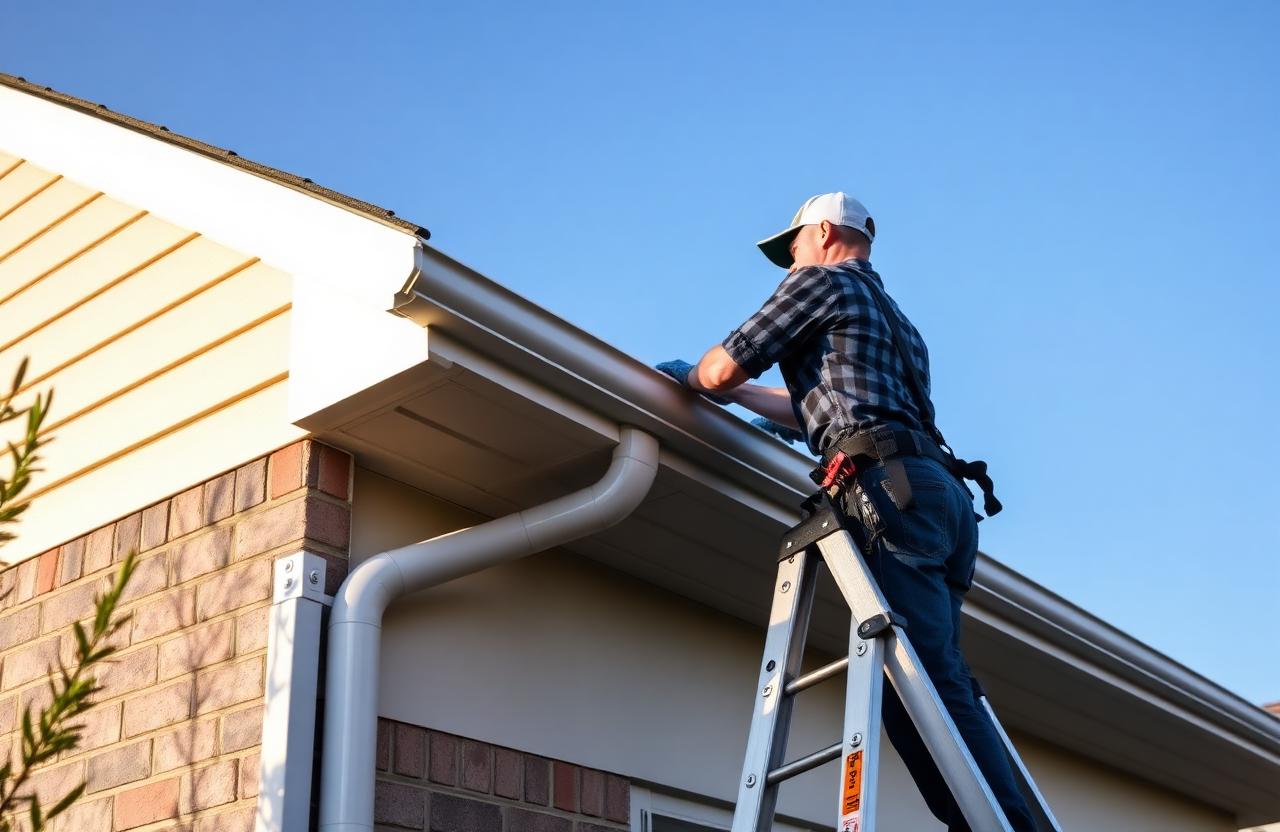
One of the first and most important decisions you will make is deciding exactly which services your business will offer. A clearer, more specific service list almost always produces better results in the early stages. Many successful handymen start with high-demand household repair and maintenance tasks: drywall repair, furniture assembly, TV mounting, door installation, caulking, minor carpentry, pressure washing, gutter cleaning, fence repairs, and general home maintenance.
Verify which services you are legally permitted to offer without additional licensing. Most states place restrictions on electrical, plumbing, HVAC, and structural work. Always confirm local regulations before advertising any service that could require a specialized contractor license.
Step 2: Research Your Local Market
Before spending money on tools, registration, or marketing, take time to understand your local competitive landscape. Search for handyman businesses in your city and look at their websites, customer reviews, service offerings, and pricing. Pay attention to what jobs come up most frequently in their reviews and what gaps you notice in how they present themselves.
Step 3: Create a Business Plan
A business plan does not need to be a formal fifty-page document. Even a simple one-to-two page plan that outlines your services, target customers, pricing structure, startup costs, and first-year revenue goals can make a meaningful difference in how clearly you execute over the first several months.
Step 4: Register Your Business
Formally registering your handyman business establishes credibility. The process typically involves choosing a business structure (sole proprietorship, LLC, or corporation), registering your business name, and obtaining a tax identification number. An LLC is a common choice for small handyman businesses because it provides personal liability protection without excessive administrative complexity.
Step 5: Get Licenses and Permits
Licensing requirements vary significantly by state, county, and city. Contact your local business licensing office or visit your city's official website to get clear answers before advertising any service. Having proper licenses and permits builds meaningful trust with homeowners — when customers ask whether you are licensed, being able to say yes and provide documentation creates confidence competitors who skipped this step cannot match.
Step 6: Buy Tools and Equipment
A solid starting toolkit includes a cordless drill and driver set, circular saw and jigsaw, level (standard and laser), tape measures, complete screwdriver and bit set, hammer, pliers, adjustable wrenches, utility knives, stud finder, caulking gun, extension and step ladders, and safety equipment. You do not need to buy everything at once — start with tools that cover your core services and add specialized equipment as revenue grows.
Step 7: Set Your Pricing
Every job quote should account for labor time (including setup and cleanup), materials, fuel and vehicle costs, tool wear, insurance, self-employment taxes, and a reasonable profit margin. Research local rates by looking at what established handymen in your area charge for common jobs. Clear, written estimates help build trust and set you apart from contractors who give vague verbal quotes.
Step 8: Get Business Insurance
Business insurance is not optional if you are serious about building a professional and sustainable operation. At minimum, most handyman businesses need general liability insurance. Many homeowners specifically ask for proof of insurance before hiring — contractors who can provide a certificate of insurance immediately almost always win that comparison.
Step 9: Market Your Handyman Business
The most effective marketing approach combines a professional online presence with active community-level visibility. A fully optimized Google Business Profile is the single highest-impact free marketing action you can take. A clean, mobile-friendly website with clear services, a photo gallery, testimonials, and easy quote requests converts searchers into leads. Customer reviews, local SEO, and a referral program round out a strong marketing foundation.
Step 10: Use Software to Manage Jobs
As your business grows, managing everything through text messages, a notebook, and memory becomes unreliable. A CRM system keeps all customer information, appointments, estimates, invoices, and follow-up tasks in one organized place. The right software also automates appointment reminders, follow-up messages, and review requests that would otherwise require your personal attention.
How Much Does It Cost to Start a Handyman Business?
Many people launch a solid handyman operation for between $1,500 and $6,000 total. Tools and equipment run $500–$3,000, business registration and legal $50–$300, licenses and permits $100–$500, business insurance $500–$1,500 per year, website and online presence $0–$2,000, and marketing materials $100–$500. The biggest cost savings come from starting lean and reinvesting early revenue into equipment and marketing.
Common Mistakes to Avoid
Taking on work beyond your current skill level, neglecting customer communication, underpricing from the start, skipping the website, ignoring reviews, and maintaining inconsistent branding across platforms are the most common mistakes new handyman business owners make. Avoiding them protects your reputation and accelerates growth.
Frequently Asked Questions
Do I need a license to start a handyman business? Licensing requirements vary by state, county, and city. Research your specific local regulations before advertising any service.
What is a handyman business owner salary? Part-time operators typically earn $20,000–$40,000 per year. Full-time handymen in strong markets with established reputations often earn $60,000–$100,000 or more annually.
How do I register a handyman business? Choose a business structure, file a business name with your state or county, and obtain an EIN from the IRS. If you form an LLC, file articles of organization with your state.
Final Thoughts
Learning how to start a handyman business is straightforward — but building one that actually generates consistent, reliable income requires trust, professionalism, a visible online presence, and the systems to keep everything running smoothly as the business grows. Every service call is an opportunity to strengthen your reputation.
Ready to grow?