What Makes a Good HVAC or Contractor Website?
Most contractor websites look almost the same. Here's what separates a high-converting site from an outdated brochure.
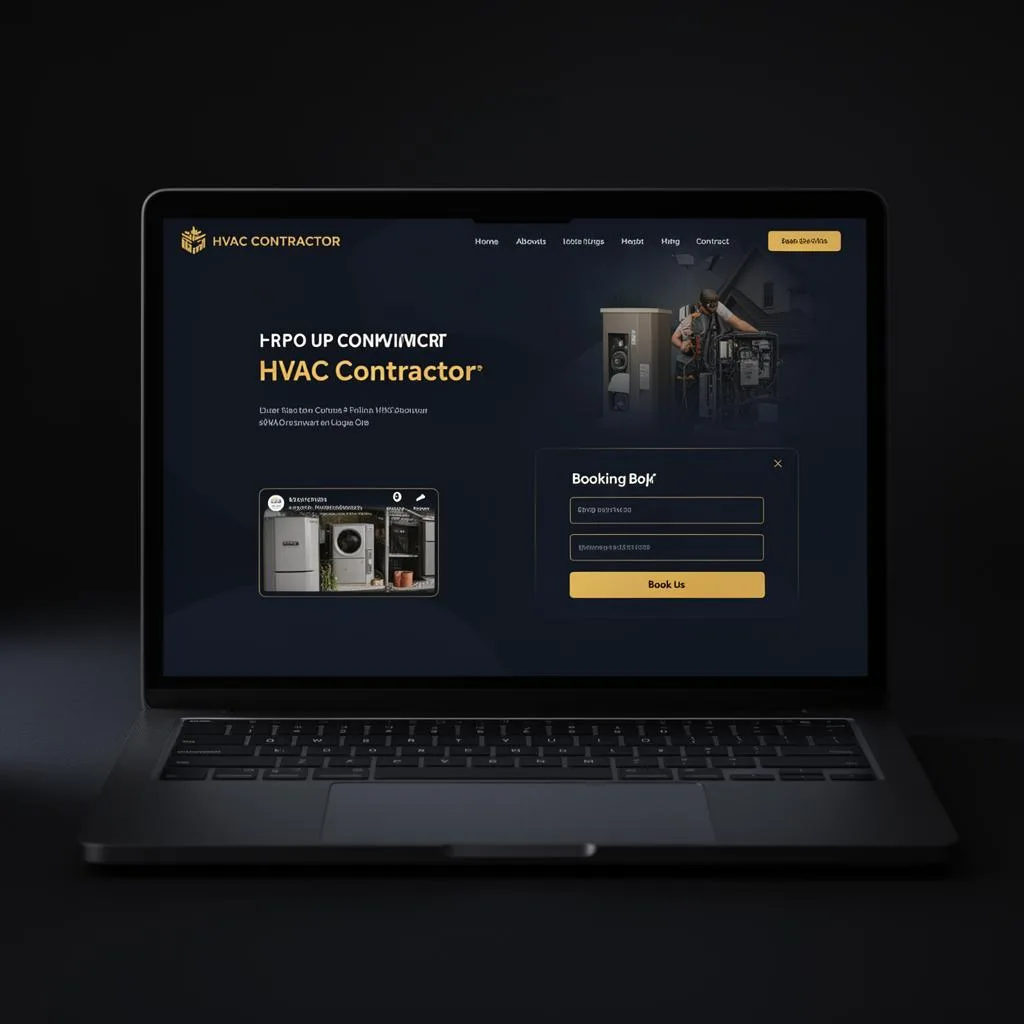
Most contractor websites look almost the same.
The problem is that many of them are outdated, slow, difficult to use, and built without any real lead generation strategy.
A good contractor website should help your business generate calls, build trust, and book more jobs consistently.
First Impressions Matter
Customers decide very quickly whether a company looks trustworthy online.
If your website appears outdated or confusing, many homeowners leave before contacting your business.
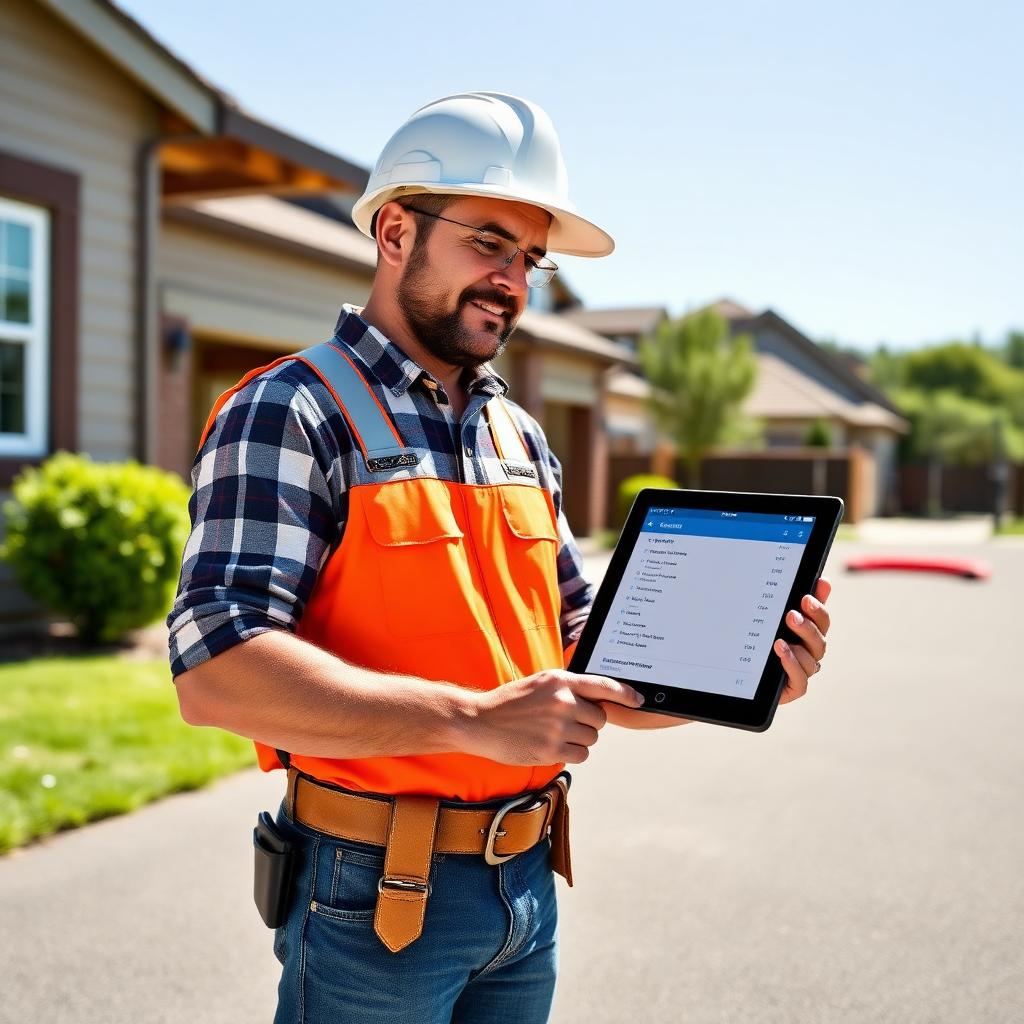
Professional websites help contractors look:
- Reliable
- Experienced
- Organized
- Trustworthy
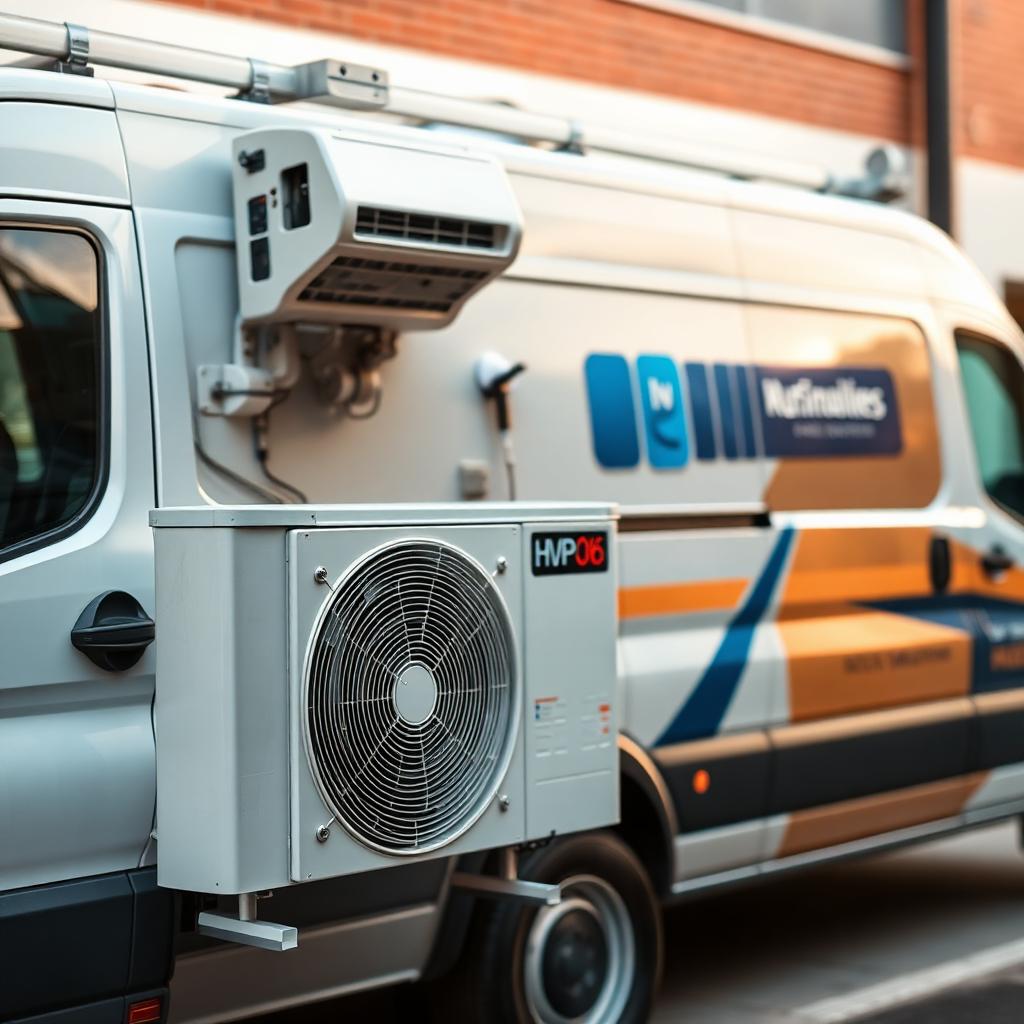
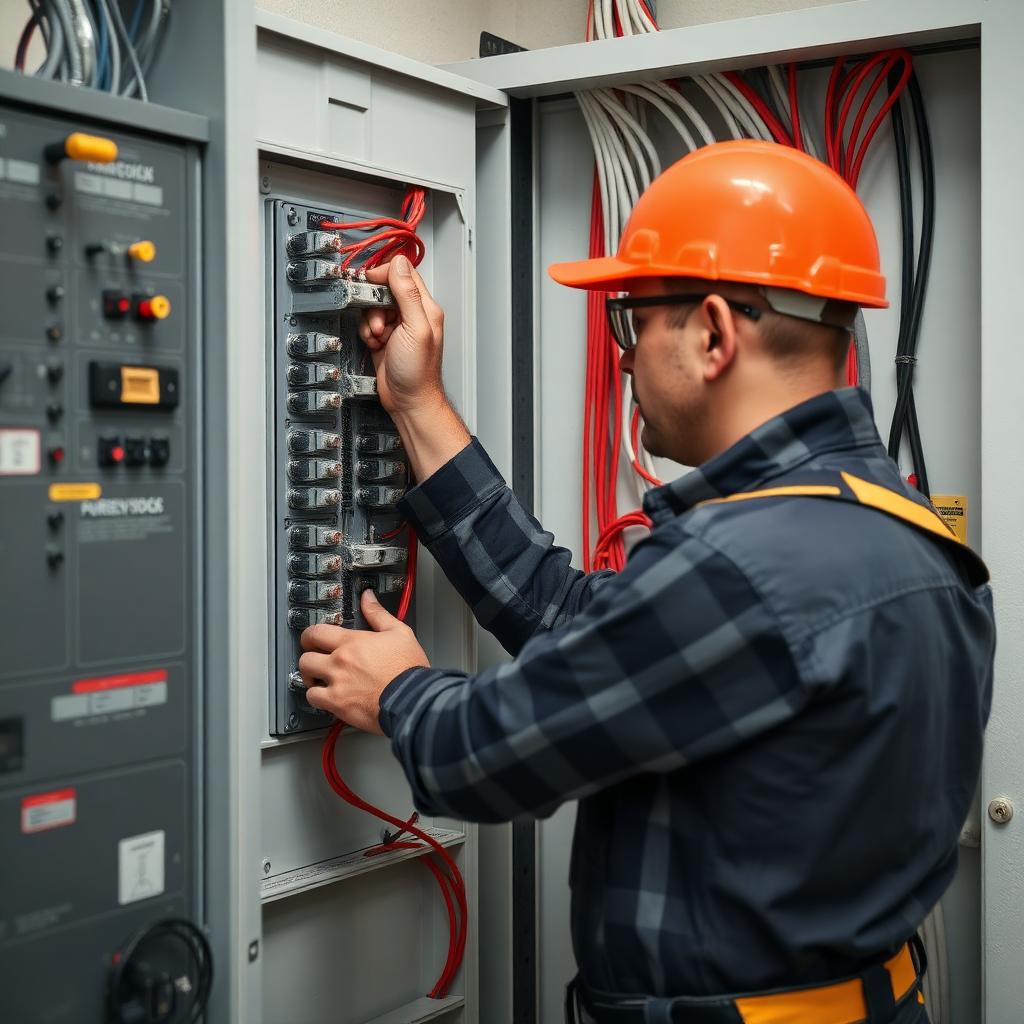
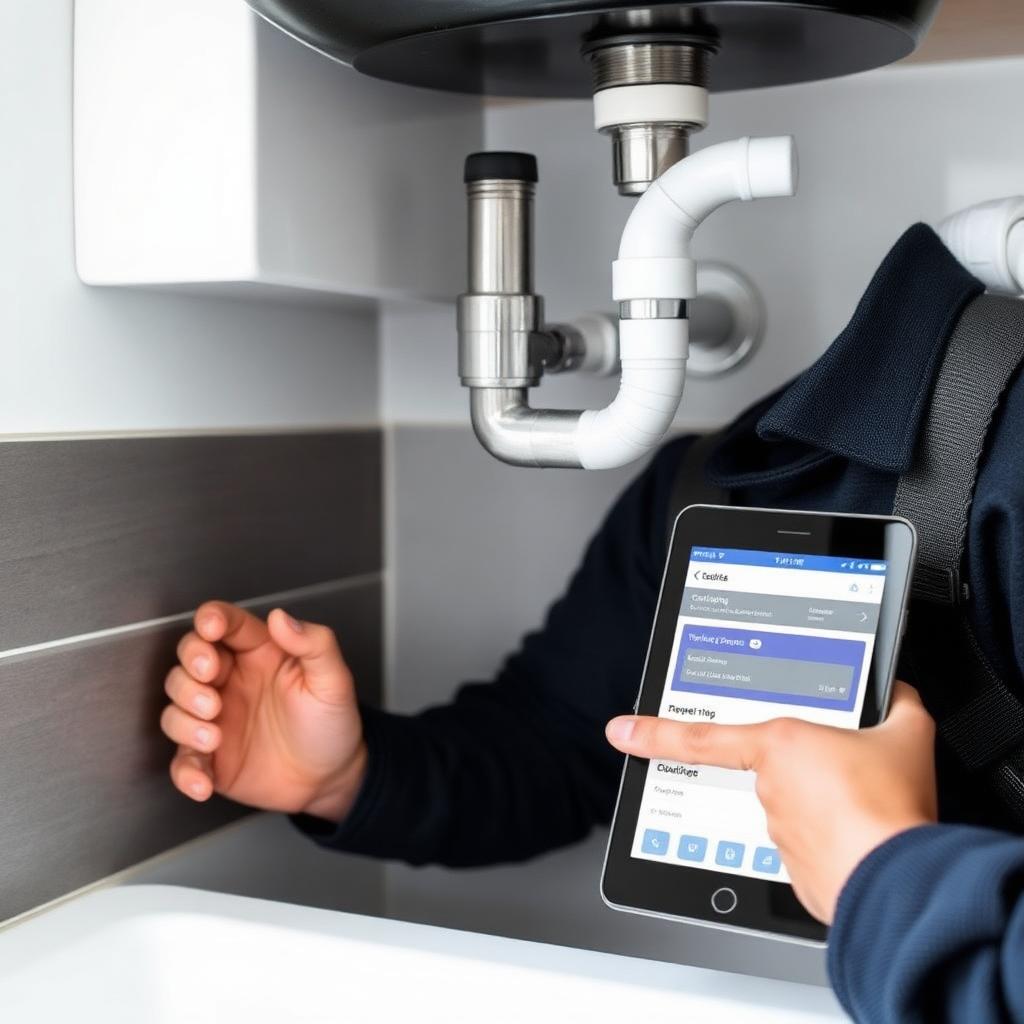
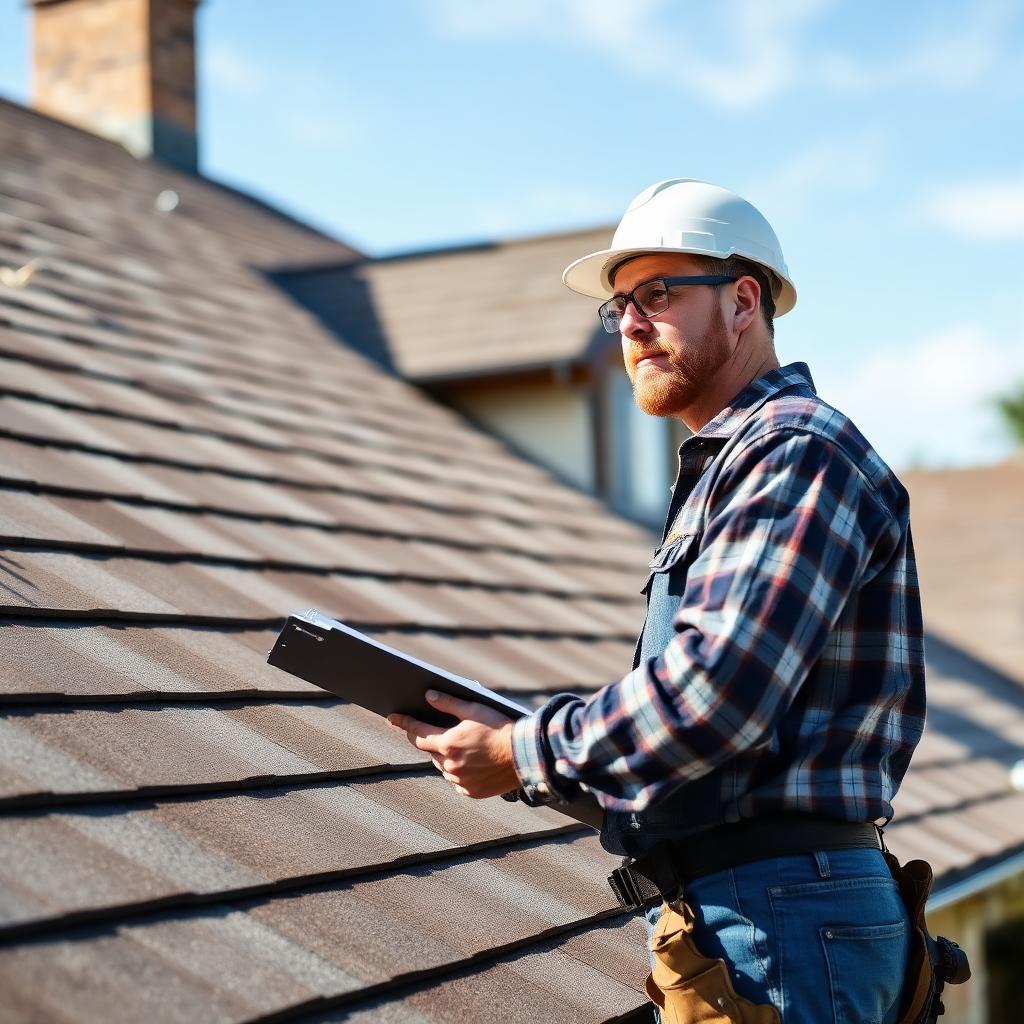
This matters even more for high-ticket services like HVAC, roofing, electrical work, and plumbing.
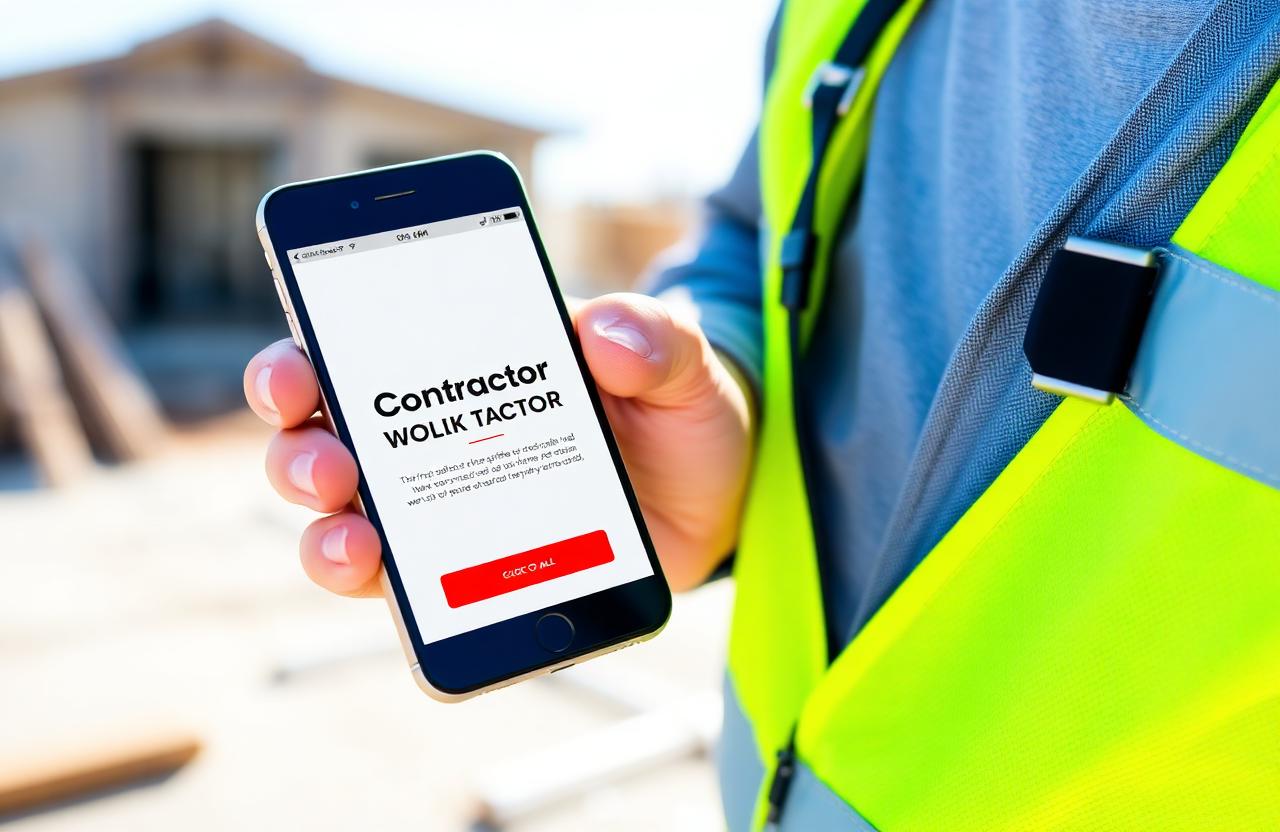
Mobile-Friendly Design Is Essential
Most local searches now happen on phones.
Customers searching for emergency services want quick access to information and fast ways to contact businesses.
A strong contractor website should include:
- Fast mobile speed
- Large click-to-call buttons
- Easy navigation
- Clean layouts
- Mobile-friendly forms
A poor mobile experience usually leads to lost calls.
Service Pages Help Generate More Leads
Good contractor websites organize services clearly.
Instead of placing everything on one page, separate service pages help customers and Google understand your business better.
For example, an HVAC company may include pages for:
- AC repair
- Furnace installation
- Indoor air quality
- Emergency HVAC services
- Commercial HVAC work
This improves SEO and customer experience at the same time.
Lead Capture Systems Matter
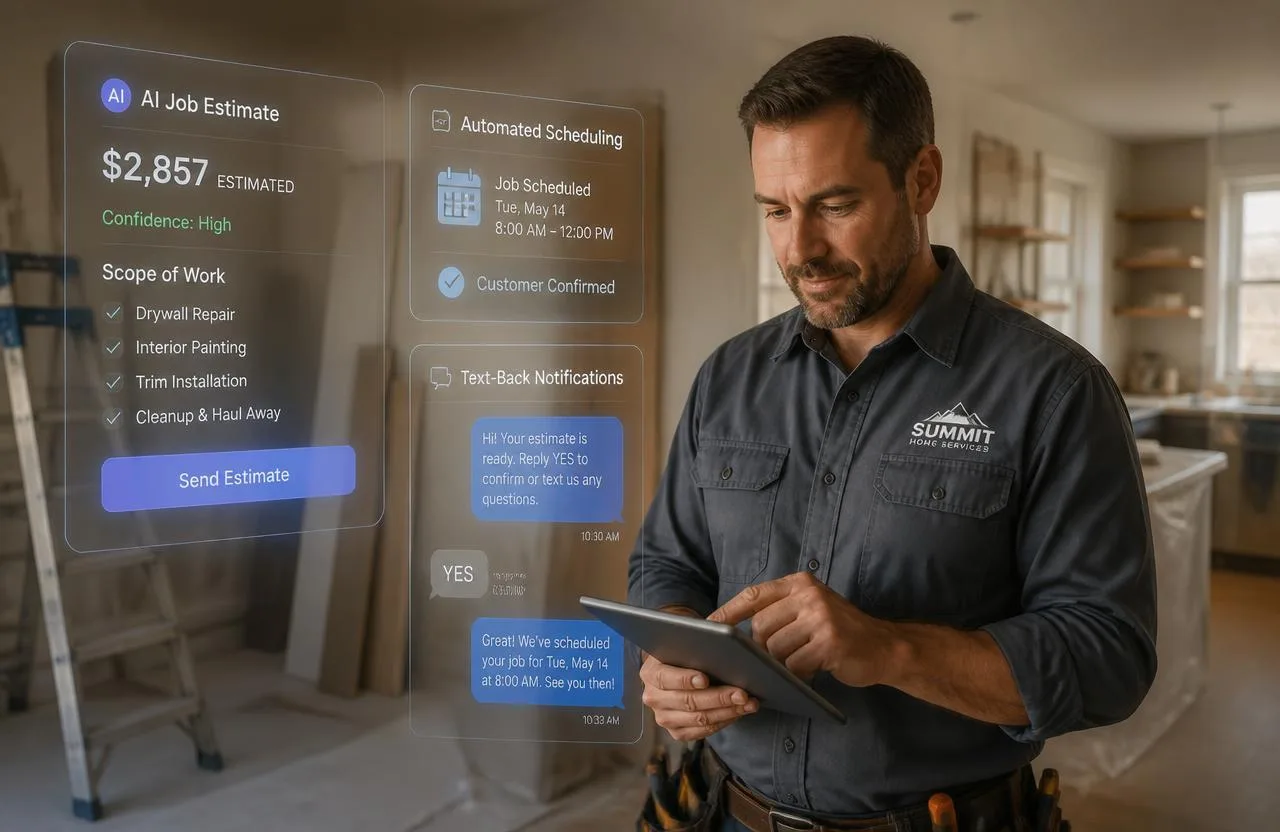
Modern contractor websites should help collect leads automatically.
Simple features like:
- Quote request forms
- Online scheduling
- Contact forms
- Click-to-call buttons
- Live chat tools
make it easier for visitors to become customers.
Fast Loading Speed Improves Results
Slow websites frustrate customers.
If pages take too long to load, visitors usually leave before contacting the business.
Fast-loading websites help improve:
- User experience
- Mobile performance
- SEO rankings
- Conversion rates
Speed plays a major role in modern website performance.
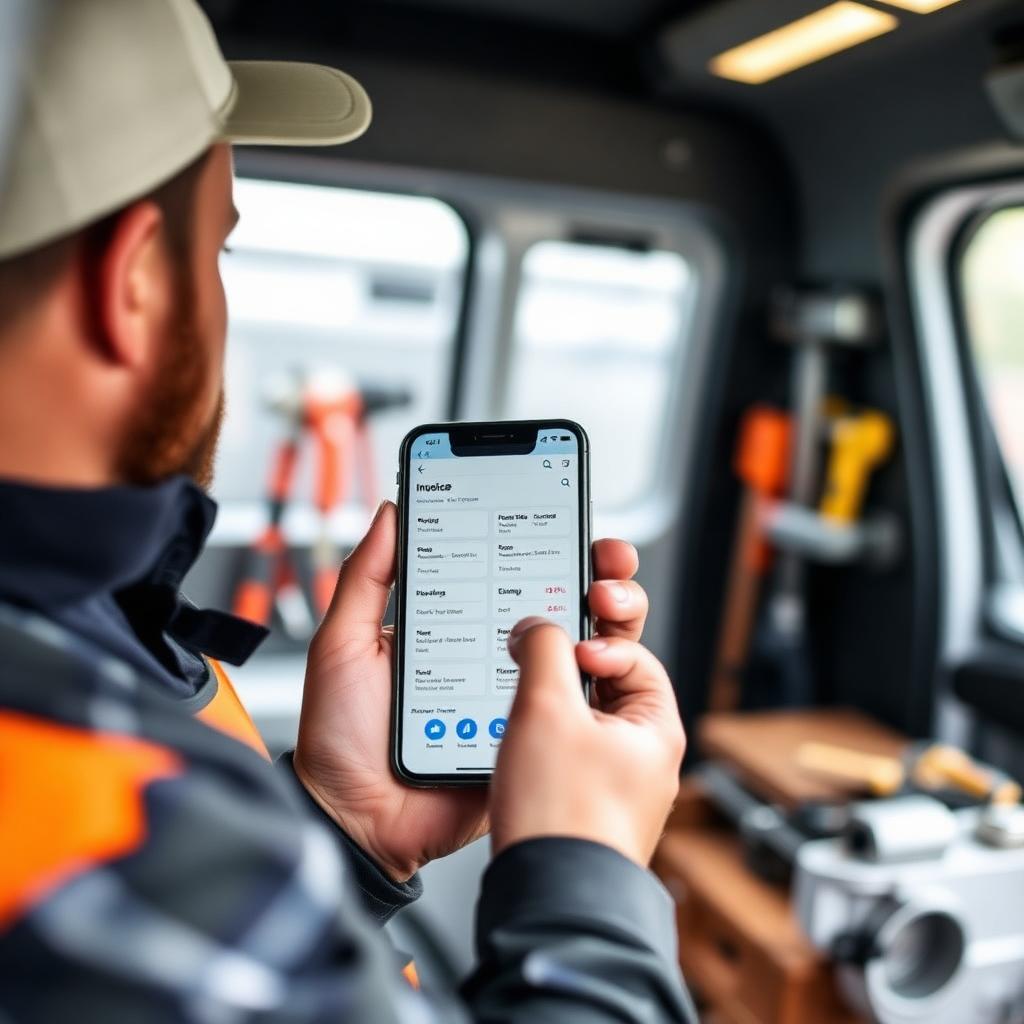
CRM Integration Helps Contractors Stay Organized
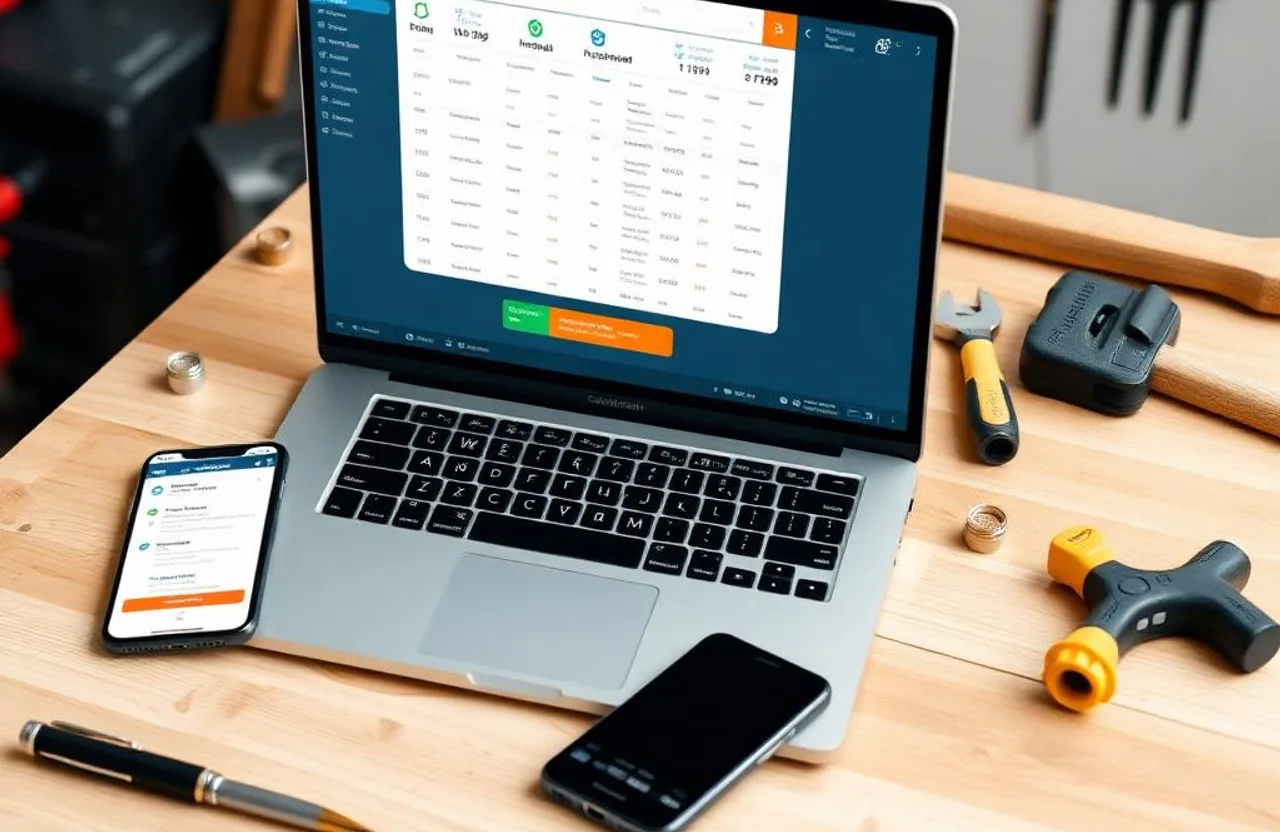
A website works better when connected with CRM tools.
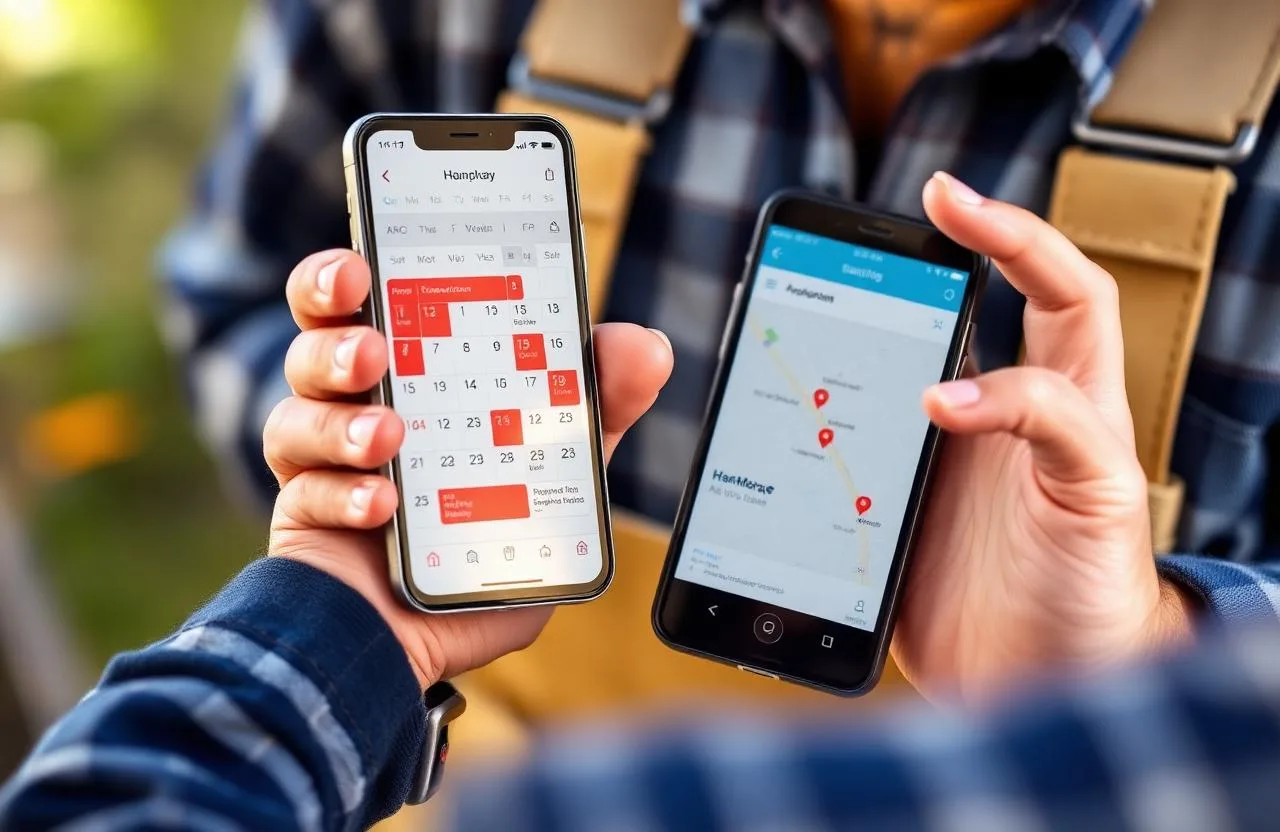
CRM systems help contractors:
- Track incoming leads
- Organize appointments
- Send reminders
- Manage follow-ups
- Store customer conversations
This keeps businesses more organized and responsive.
Local SEO Helps Customers Find Your Business
Even the best website cannot generate leads if nobody sees it.
Local SEO helps contractor websites appear in Google searches like:
- HVAC contractor near me
- emergency plumber
- local electrician
- roof repair company
- handyman services
Strong SEO structure helps businesses generate long-term traffic and local visibility.
Real Branding Builds Trust
Generic templates often make contractors look unprofessional.
A strong contractor website should include:
- Real service photos
- Professional branding
- Customer reviews
- Clear service information
- Strong calls-to-action
These elements help homeowners trust the business faster.
Final Thoughts
A good contractor website should do more than look attractive.
It should help businesses respond faster, capture leads, improve trust, and generate more booked jobs consistently.
Ready to grow?