Handyman Lead Generation: 15 Proven Ways to Get More Local Jobs in 2026
Fifteen lead generation strategies that hold up in 2026, how to convert leads into booked jobs, and where automation fits in.

Every handyman business runs on two things: the quality of the work, and how reliably new customer inquiries show up. Most handymen have the first part down. The second — a consistent, predictable stream of leads — is usually where growth stalls.
The theory isn't complicated. Homeowners need repairs constantly; your job is making sure your business is the one they find and trust when they go looking. The trap most handymen fall into is testing one or two channels — referrals, maybe an occasional Facebook post — and concluding that marketing beyond that is too expensive or unpredictable to bother with.
This guide covers fifteen lead generation strategies that hold up in 2026, how to actually convert those leads into booked jobs, and where automation fits into making the whole process sustainable.
What Counts as a Handyman Lead
A lead is anyone who's expressed interest in your services — a website form, a phone call after finding you on Google, a Facebook message, a number passed along by a neighbor. Not every inquiry becomes a job, but every job started as one.
Lead quality varies enormously. Someone actively searching "handyman near me" on a weekday morning has very different intent than someone who tapped a Facebook ad while scrolling on a Sunday night — both are leads, but one converts far more easily. Volume alone is a vanity number; what matters is cost per booked job, not cost per inquiry. A lead that costs more to acquire but converts at a much higher rate is worth more than a cheaper one that rarely closes.
Why Lead Generation Matters More Than Referrals Alone
Referrals are the highest-trust lead a handyman gets — a homeowner calling because a neighbor vouched for you is already halfway sold. The problem is that referrals are entirely outside your control. They dry up in slow months, they don't scale when you want to add a technician, and when a reliable referral source moves on, that pipeline disappears without warning.
A business built entirely on referrals has a growth ceiling set by other people's willingness to recommend it. Referrals are worth cultivating — they're just not a strategy on their own. Consistent, predictable lead flow is what lets you price confidently, plan investments, and decide when hiring actually makes sense, instead of hoping volume shows up.
15 Lead Generation Strategies That Work
1. Optimize your Google Business Profile. This is the highest-impact free asset a local handyman has. Fill out every field completely, upload real project photos regularly, and actively collect reviews — review count and rating are major factors in whether you show up in the local map pack at all.
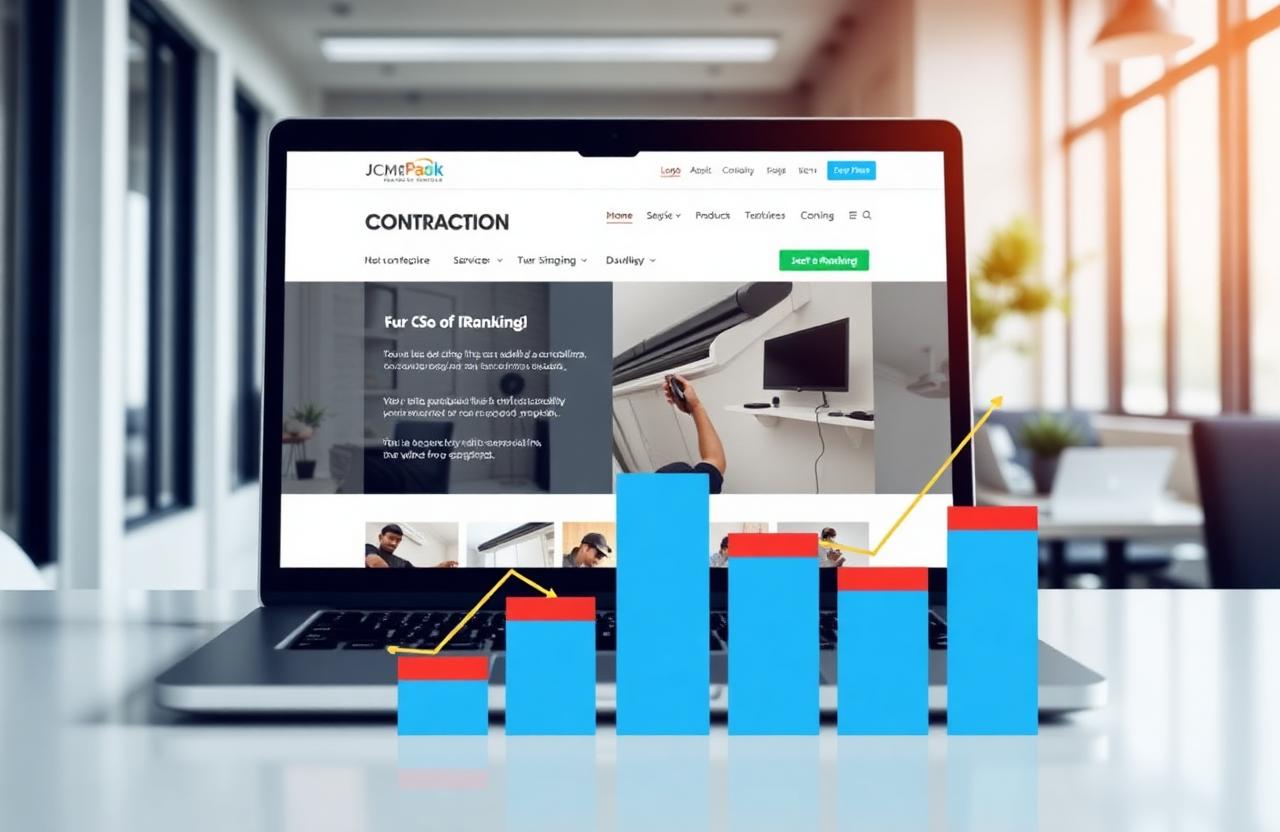
2. Invest in local SEO. Unlike paid ads, organic rankings keep producing leads without ongoing spend. That means dedicated service pages for what you offer (drywall repair, fan installs, TV mounting), location-specific content, and consistent business info across directories.
3. Build a website that actually converts. Your website is where every other channel — GBP, SEO, ads, social — ultimately lands. It needs a clear headline, a frictionless way to request a quote, real project photos instead of stock images, and fast mobile load times, since most local searches happen on a phone.
4. Run Google Local Services Ads (LSA). These pay-per-lead listings with the "Google Guaranteed" badge tend to cost noticeably less per lead than standard Google Ads for handyman-type work, since competition and service areas are more localized. They do require regular upkeep — disputing bad leads, watching budget pace — to perform well.
5. Layer in Google PPC. PPC gives you control over keywords and landing pages that LSA doesn't. Most businesses do best testing one channel with a modest monthly budget before splitting spend across both.
6. Try Facebook Lead Ads. These capture a name, phone, and email without the customer leaving the platform — useful for promoting a seasonal service or an introductory rate to homeowners in your area, targeted by location and homeownership status.
7. Collect Google reviews systematically. A business with dozens of recent reviews consistently outperforms one with a handful, in rankings, click-through rate, and conversion. Make asking for a review a standard step after every job — a quick text sent within hours of completion converts noticeably better than one sent days later.
8. Build a real referral program. Don't just hope for word-of-mouth — give satisfied customers an actual reason to refer, like a small discount or gift card for anyone who books after a referral.
9. Email past customers. Most handymen never contact a customer again after the job is done — a real missed opportunity, since a satisfied past customer is far easier to rebook than a cold lead. Seasonal reminders (spring maintenance, fall weatherproofing) are enough to generate real repeat bookings.
10. Use SMS follow-up. Text messages get opened faster than email. A quick text within minutes of a new inquiry — not hours — meaningfully improves the odds it turns into a conversation, and a same-day reminder text cuts no-shows more effectively than any other format.
11. Stay active on social media. For a local handyman, this is mostly a trust-building channel — homeowners check your profile before calling. Regular project photos and short before/after clips build the track record that gets you recommended in local community groups.
12. Partner with real estate agents and property managers. Agents need reliable handymen for pre-listing repairs and punch lists; property managers have ongoing maintenance needs. A single trusted relationship with either can produce steady work with no ongoing marketing cost.
13. List your business in directories. Yelp, Angi, Thumbtack, and Nextdoor create additional discovery points and support your local SEO through citations. Leads from shared marketplaces are often split among several contractors, so a fast response system matters more here than almost anywhere else.
14. Publish helpful blog content. Practical guides — how to fix a squeaky door, what drywall repair typically costs — bring in organic traffic from homeowners researching a problem who then discover you're local and available. This is a slow-building channel, but the traffic compounds and costs nothing ongoing.
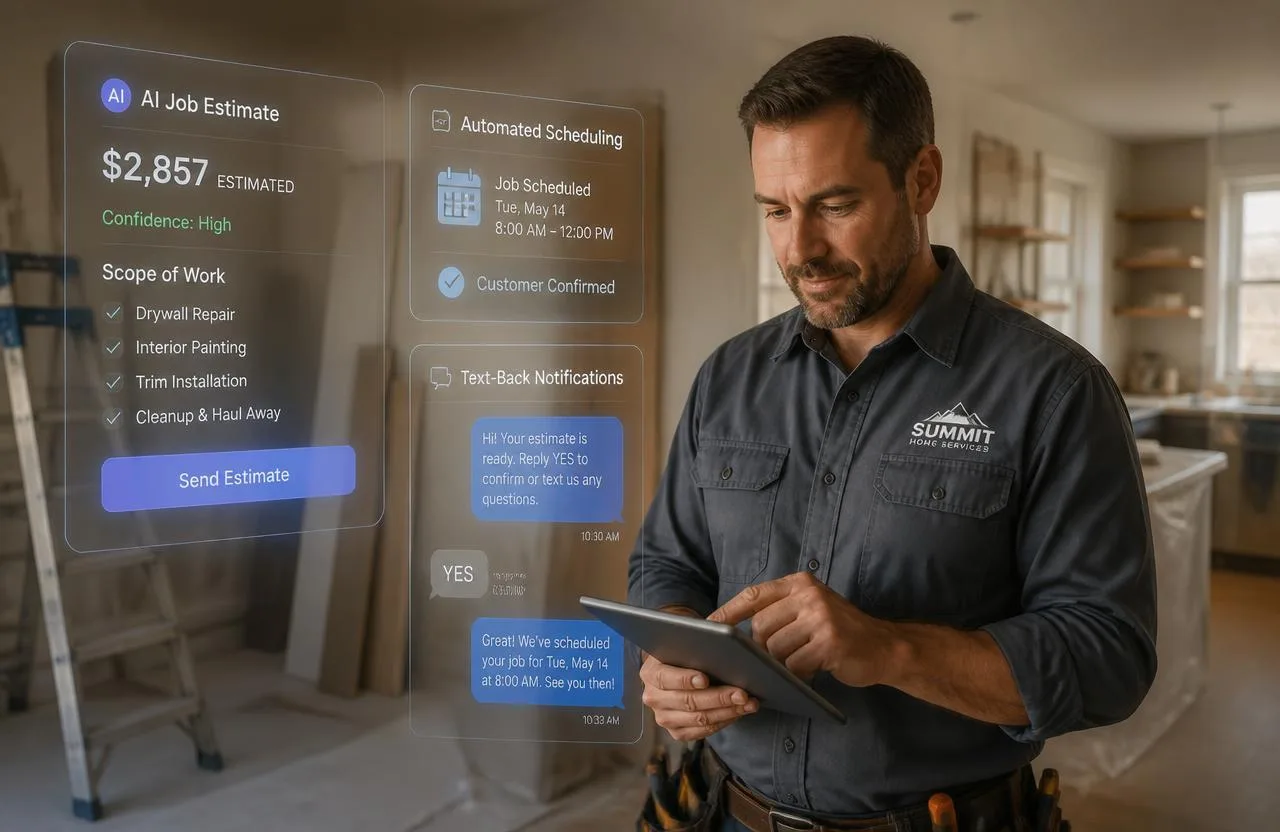
15. Respond instantly with automation. The contractor who responds first wins a disproportionate share of shared leads — and if a handyman is mid-job on a ladder, personal response within minutes usually isn't realistic. Automated text acknowledgment for missed calls and new inquiries keeps a lead engaged until you can follow up personally.
Turning Leads Into Booked Jobs
Generating leads is half the job — converting them requires a response process that's fast and consistent.
Respond fast, even if only with automation. Speed to first response is one of the strongest predictors of who wins a shared or competitive lead. Missed-call text-back closes the gap between "I'm on a job and can't answer" and "the lead already called someone else."
Follow up more than once. A lead that doesn't convert on first contact often just needs a second touchpoint. An automated follow-up 24–48 hours later, and again a week out for anyone still unresponsive, recovers business that would otherwise go quiet.
Send the estimate fast and in writing. A professional, itemized quote sent within hours of a visit converts better than a verbal number and creates a clear record if a dispute ever comes up.
Make booking possible without a phone call. Many homeowners won't leave a voicemail for a business they've never used. Online booking captures that entire segment.
Common Mistakes That Cost Handymen Leads
Slow response times. An inquiry left unanswered for a few hours has usually already called two other contractors by the time you get to it.
Not enough reviews. Fewer than ten reviews reads as unproven to most homeowners, regardless of actual work quality.
A website that doesn't convert. Every other channel points traffic at your website — if it loads slowly or has no clear way to request a quote, that investment is wasted downstream.
No system tracking follow-up. Without visibility into which estimates are pending and which past customers haven't been contacted in months, leads quietly slip through — not from lack of effort, but from lack of a system.
Tools That Support Lead Generation
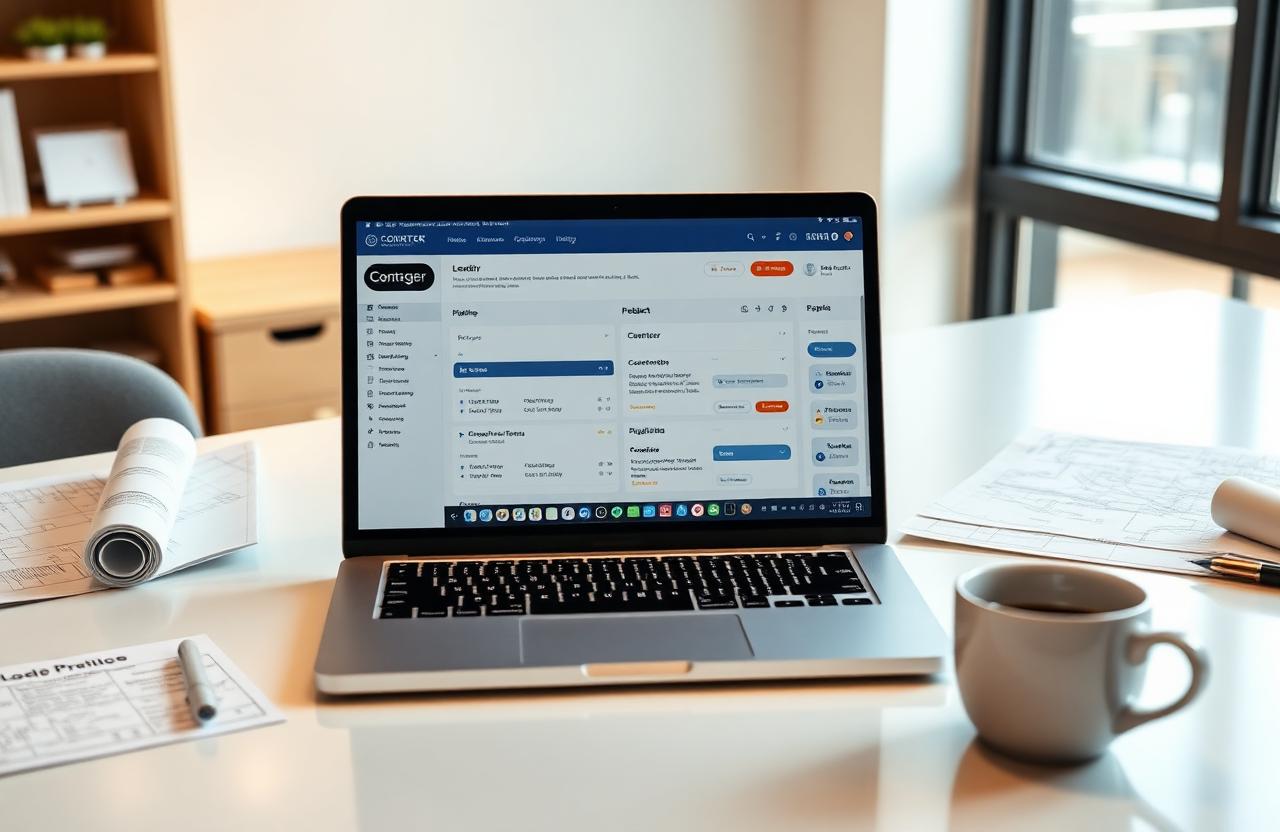
A CRM keeps every lead, estimate, and follow-up tracked in one place instead of in memory.
Scheduling software connected to your website's booking form turns a visitor directly into a calendar appointment.
Review management tools automate review requests after each job and flag new reviews that need a response — one of the higher-return pieces of a lead generation stack given how much reviews influence local search visibility.
How FixerCRM Supports Lead Generation Specifically
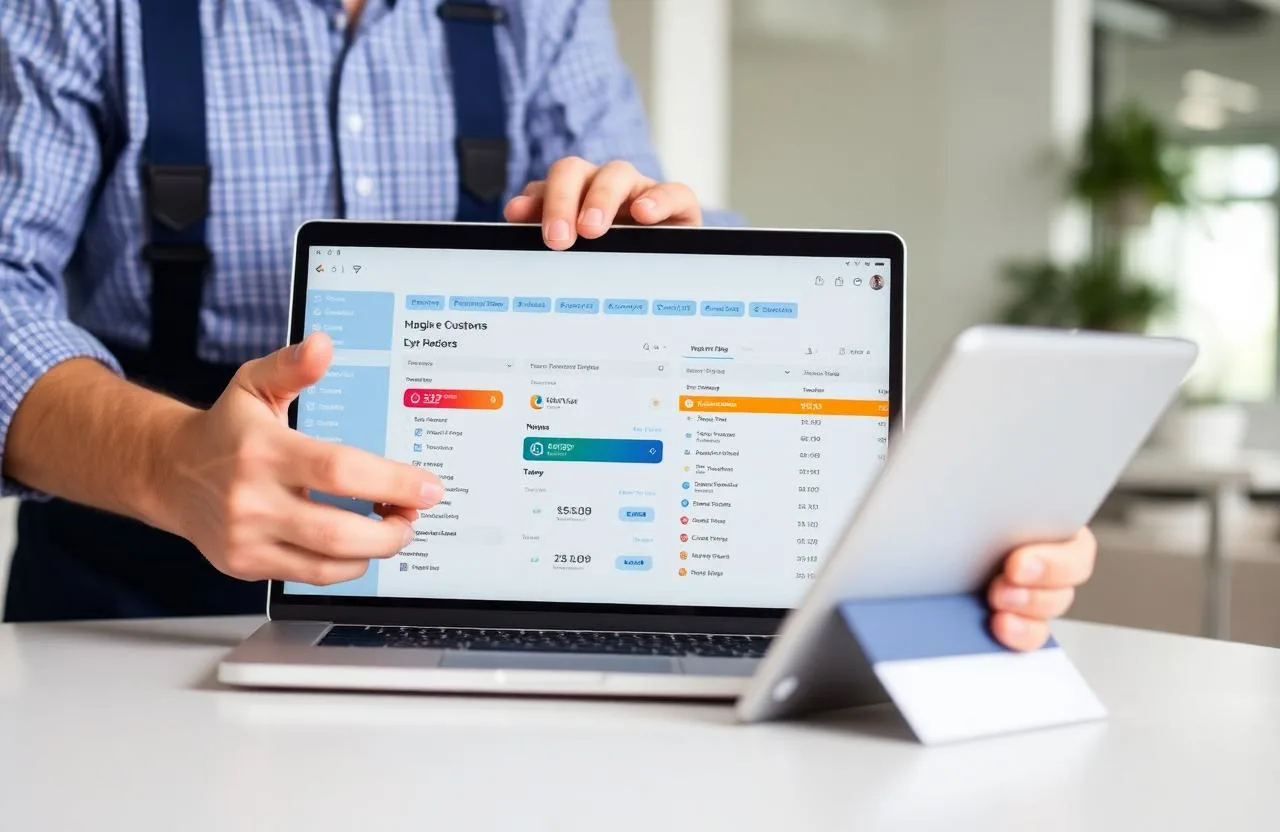
Most lead generation tools solve one piece in isolation — a scheduling app, a review tool, a website builder — leaving the owner to connect them manually. FixerCRM builds the website, the CRM, and the scheduling together from the start: a visitor books through your site, the appointment and customer record are created automatically, and a missed call gets an automated text reply within seconds so the lead doesn't quietly move to the next search result.
Every inquiry — website form, booking link, phone call — lands in one pipeline showing exactly where it stands, and automated follow-up sequences keep unresponsive leads and past customers warm without requiring personal outreach on each one.
What's included: a custom handyman website live in 7 days, CRM, connected scheduling, missed-call text-back automation, and follow-up sequences — for a flat $97/month, $0 setup fee, no contracts.
The Bottom Line on Getting More Local Jobs
Consistent lead flow rarely comes from doing one thing exceptionally well — it comes from a handful of channels working together, backed by a fast, automated response to every inquiry that comes in.
The handyman businesses booking the most jobs aren't necessarily spending the most on ads. They're the ones with the most complete system: a website that gets found and converts, a steady review profile, and follow-up that happens automatically instead of depending on memory. If you'd rather have your website, booking, and lead follow-up working together from the start, get a free quote and see what FixerCRM can set up for your business in 7 days.
Ready to grow?