Essential Handyman Tools List: 50+ Must-Have Tools for Every Job
The complete list of essential handyman tools — hand tools, power tools, plumbing, electrical, drywall, safety gear, and the digital tools that run the business.
Every successful handyman business runs on the right tools. Whether you are just getting started or building out a professional operation, having the correct equipment for the job determines the quality of your work, the speed at which you can complete tasks, and the impression you leave on customers who are watching how you show up and perform.
This complete essential handyman tools list covers everything you need — from foundational hand tools to advanced power tools, safety gear, and the digital tools modern handymen use to run their business efficiently. By the end of this guide, you will know exactly what belongs in your toolbox and why each item matters for the jobs you take on every day.
Why Having the Right Handyman Tools Matters
The right tools are the foundation of every professional handyman business. They determine what jobs you can take on, how efficiently you can complete them, and how customers perceive your professionalism the moment you step out of the van. A handyman who arrives with a well-organized toolset and the right equipment for the job immediately signals competence — long before the first repair even begins.
Investing in quality tools pays off in three important ways. First, it lets you handle a broader range of jobs. Second, it reduces the time each job takes. Third, it protects your reputation. Nothing damages customer trust faster than showing up unprepared, having to reschedule, or delivering a subpar result because the wrong tool was used.
Essential Hand Tools for Every Handyman
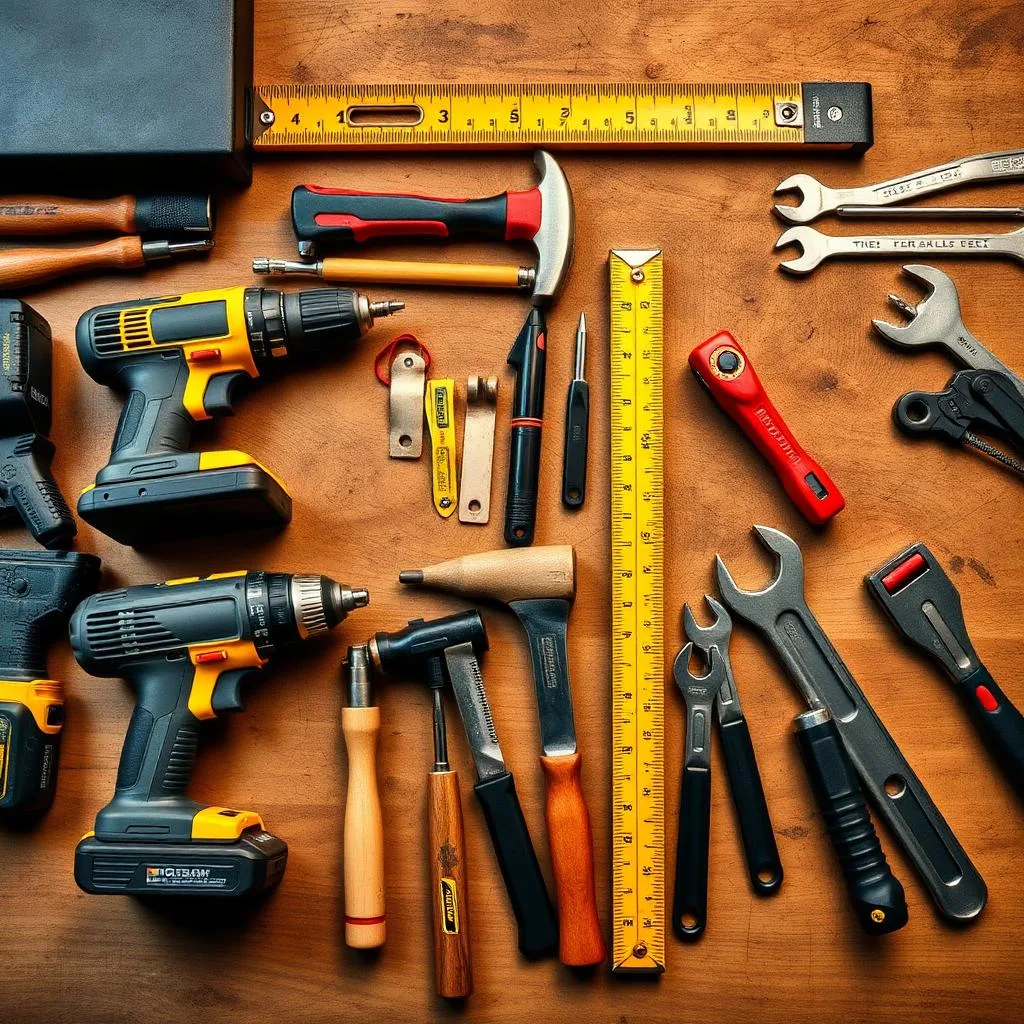
Hand tools are the foundation of every handyman toolkit. Before you invest in expensive power tools, make sure your hand tool collection is complete, high-quality, and organized. These are the items you will reach for on nearly every job, regardless of the service being performed.
Hammer: A 16-ounce curved claw hammer is the most versatile option for the range of tasks a handyman handles. Screwdriver Set: A complete screwdriver set with Phillips, flathead, Torx, and Robertson bits covers virtually every fastener you will encounter. Tape Measure: A 25-foot tape measure with a wide, stiff blade is the standard. Utility Knife: Choose a retractable model with quick blade changes and always keep spare blades on hand.
Pliers Set: Slip-joint pliers for general gripping, needle-nose pliers for fine work, and locking pliers (Vise-Grips) for stubborn fasteners cover most scenarios. Adjustable Wrench: Own two — an 8-inch and a 12-inch — to handle nearly every fitting size. Level: A 24-inch and a small torpedo level are the standard combination. Hex Key Set: Own both metric and standard sets. A caulking gun and pry bar round out the daily-carry hand tool essentials.
Essential Power Tools for Handymen
Power tools transform what a handyman can accomplish in a day. Build your collection around a core set of versatile, battery-powered tools for maximum flexibility. The cordless drill is the single most important power tool — invest in quality with a brushless motor, two batteries, and a fast charger. An impact driver delivers significantly more torque than a drill for long screws and lag bolts.
A circular saw handles most straight-cut lumber and sheet goods. A jigsaw cuts curves and irregular shapes that a circular saw cannot manage. The oscillating multi-tool is arguably the most versatile power tool for general handyman work — it cuts drywall, trims door casings, removes grout, and reaches tight spaces no other tool can. A random orbital sander smooths drywall repairs and prepares surfaces for paint quickly and evenly. An angle grinder cuts metal, removes rust, and sharpens tools.
Measuring and Marking Tools
Precise measurements separate professional-quality installations from work that looks slightly off. A self-leveling laser level projects a perfectly straight reference line across walls or floors — invaluable for cabinets, tile, shelving, and molding. A laser distance measure sizes rooms and windows in seconds. A chalk line creates long, straight reference marks for flooring and layout work.
A quality electronic stud finder that also detects wires and pipes adds a critical safety dimension to every wall-mounted installation. A speed square handles accurate 90-degree and 45-degree marking during cutting and layout.
Plumbing Tools
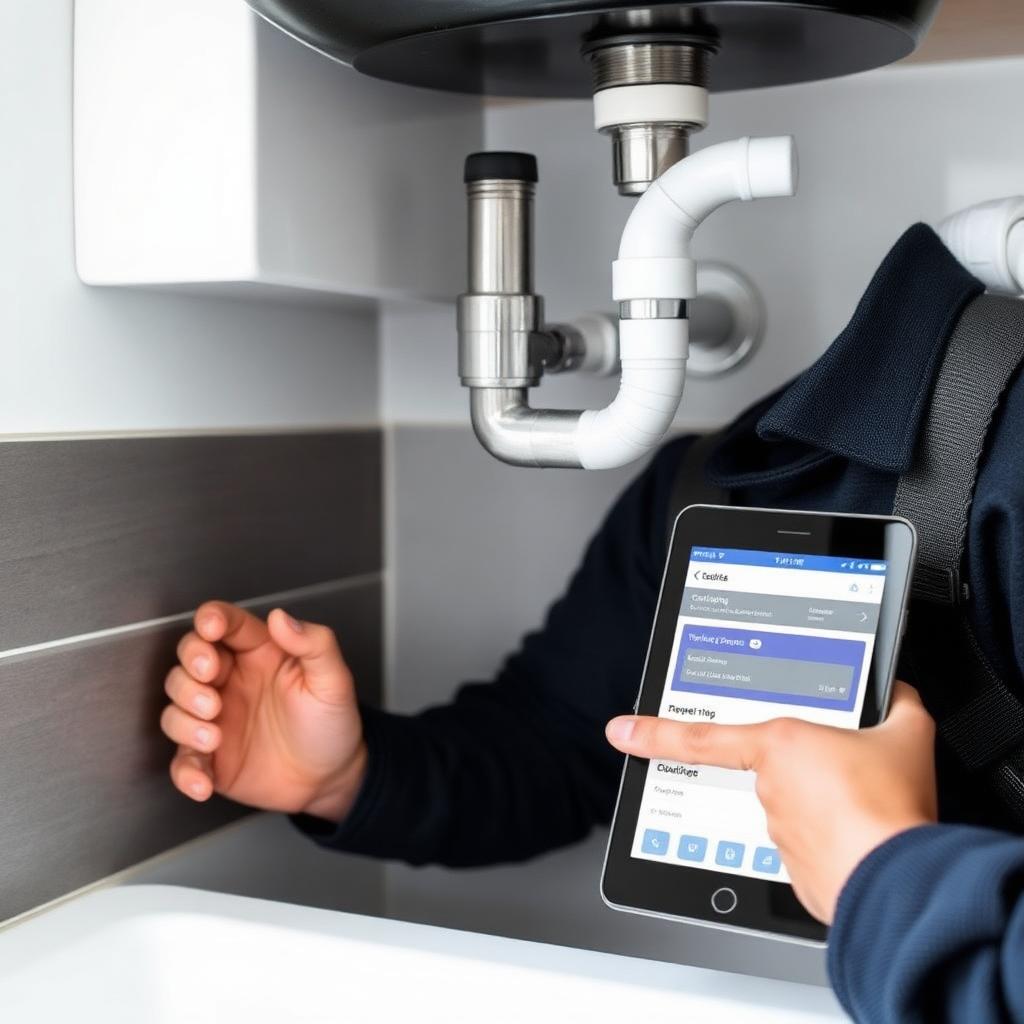
Basic plumbing repairs are among the most frequently requested handyman services. A pipe wrench (own two) grips and turns metal pipes and threaded fittings. A basin wrench reaches the tight space under sinks where standard wrenches cannot fit. A pipe cutter produces clean, square cuts on copper and PVC without the rough edges a hacksaw leaves.
Both a cup plunger for sinks and tubs, and a flange plunger for toilets, resolve a significant percentage of basic plumbing service calls in minutes. A 25-foot hand auger (drain snake) clears blockages a plunger cannot reach.
Electrical Work Tools
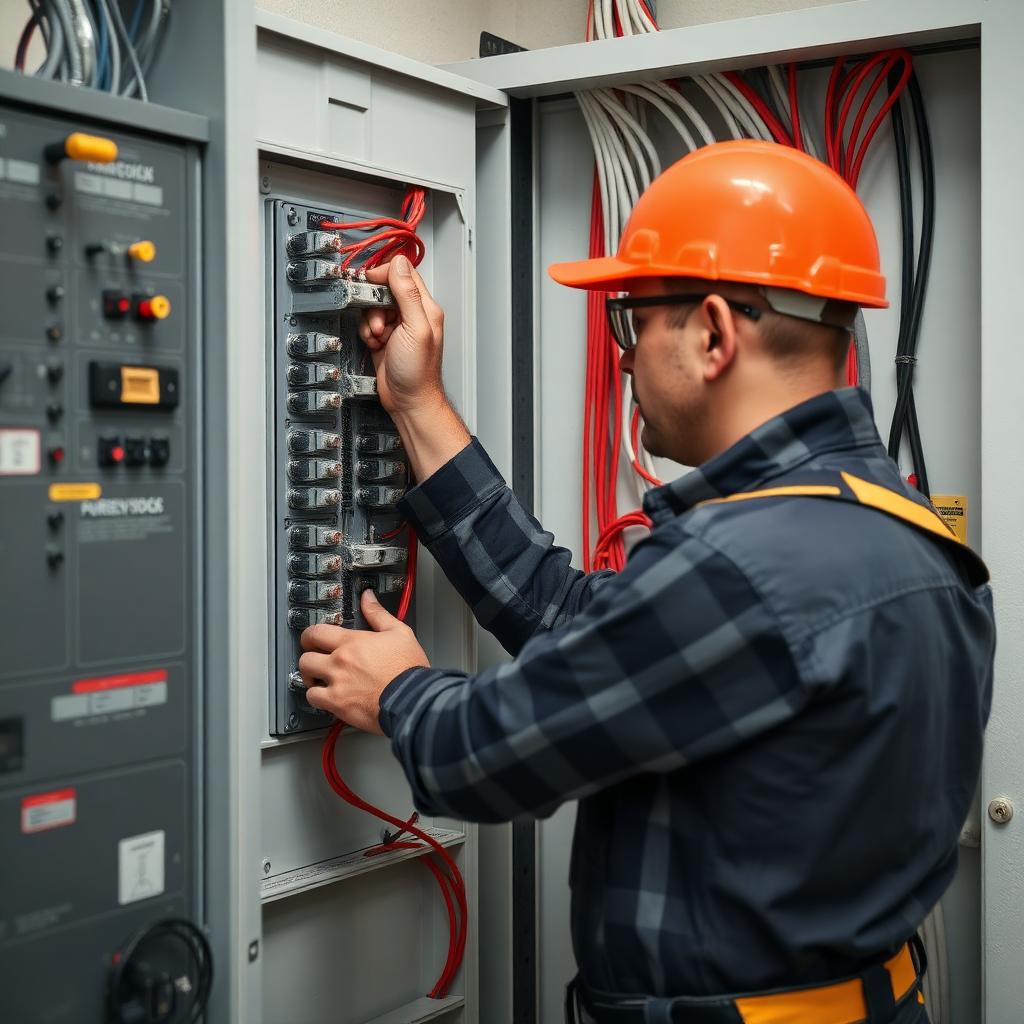
Many homeowners call handymen for basic electrical tasks such as replacing light fixtures, installing ceiling fans, or swapping outlets and switches. Safety first, always — confirm the circuit is de-energized before touching any wire. A non-contact voltage tester detects live current without touching the wire directly and is the first tool you reach for on any electrical job.
Wire strippers cleanly remove insulation without nicking the conductor. A multimeter measures voltage, current, and resistance for diagnosing problems. Lineman's pliers grip, bend, cut, and twist electrical wire with insulated handles rated for electrical work.
Painting and Drywall Tools
Drywall repair and painting touch-ups are consistently among the most requested handyman services. A drywall saw (jab saw) cuts drywall cleanly for access openings and patch work. A putty knife set (3", 6", 10") applies and smooths joint compound and spreads patching materials. A sanding sponge and pole sander finish repairs cleanly with less dust and better ergonomics.
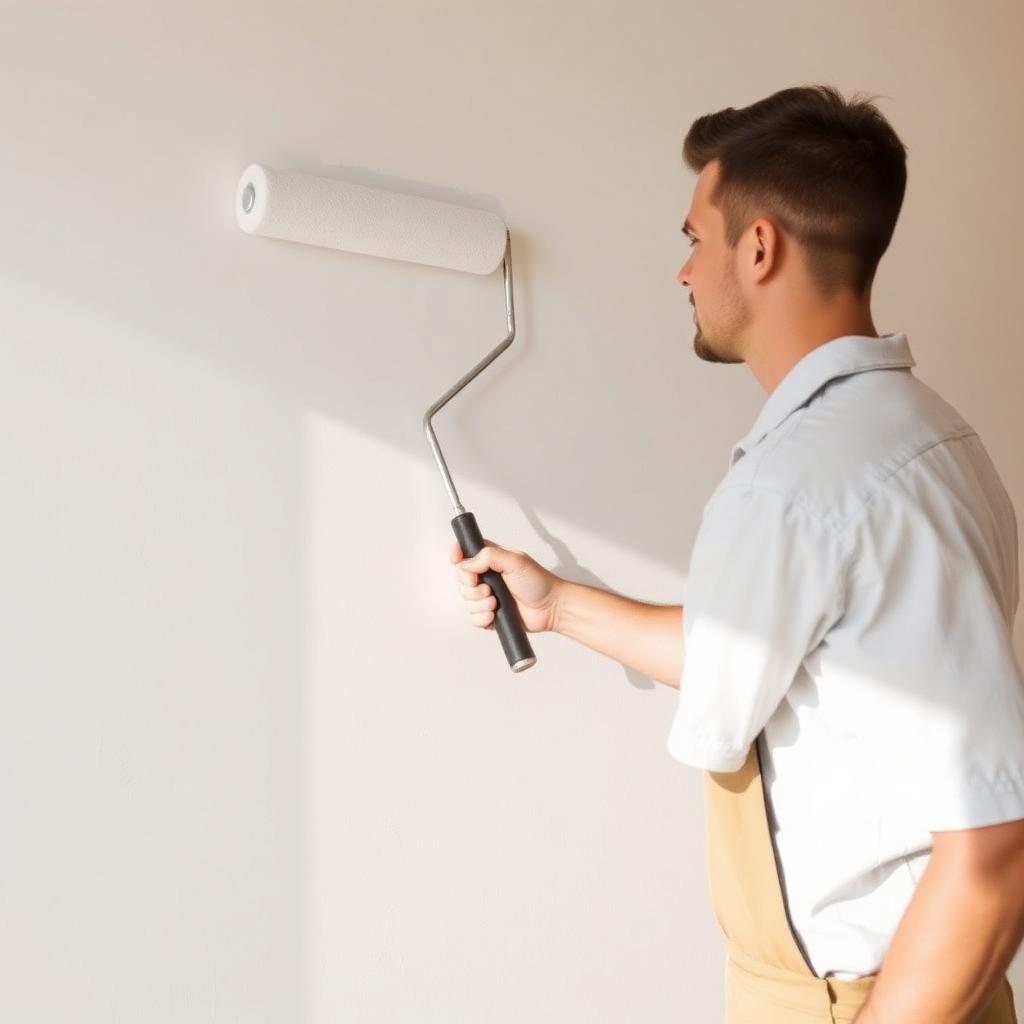
A quality roller frame with the right nap cover for the surface texture, plus an extension pole, covers walls and ceilings efficiently. An angled sash brush cuts in cleanly along ceilings, trim, and corners. Fresh caulk and painter's tape create the crisp lines that separate a professional finish from a DIY paint job.
Safety Equipment Every Handyman Needs
Safety equipment is not optional. Wear it consistently — most handyman injuries happen on routine jobs where the precaution felt unnecessary. Essential safety items include safety glasses, work gloves, N95 dust masks, hearing protection, knee pads, and a stocked first aid kit in the van.
Tool Storage and Vehicle Organization
A disorganized work van undermines every other investment you make in tools. Rolling toolboxes, vehicle shelving systems, labeled small-parts bins for screws and fasteners, and ladder racks (a 6-foot step and a 24-foot extension cover most residential work) transform a pile of equipment into a functional mobile workshop and create a strong professional impression when you open the van doors in front of a customer.
Digital Tools for Running a Handyman Business
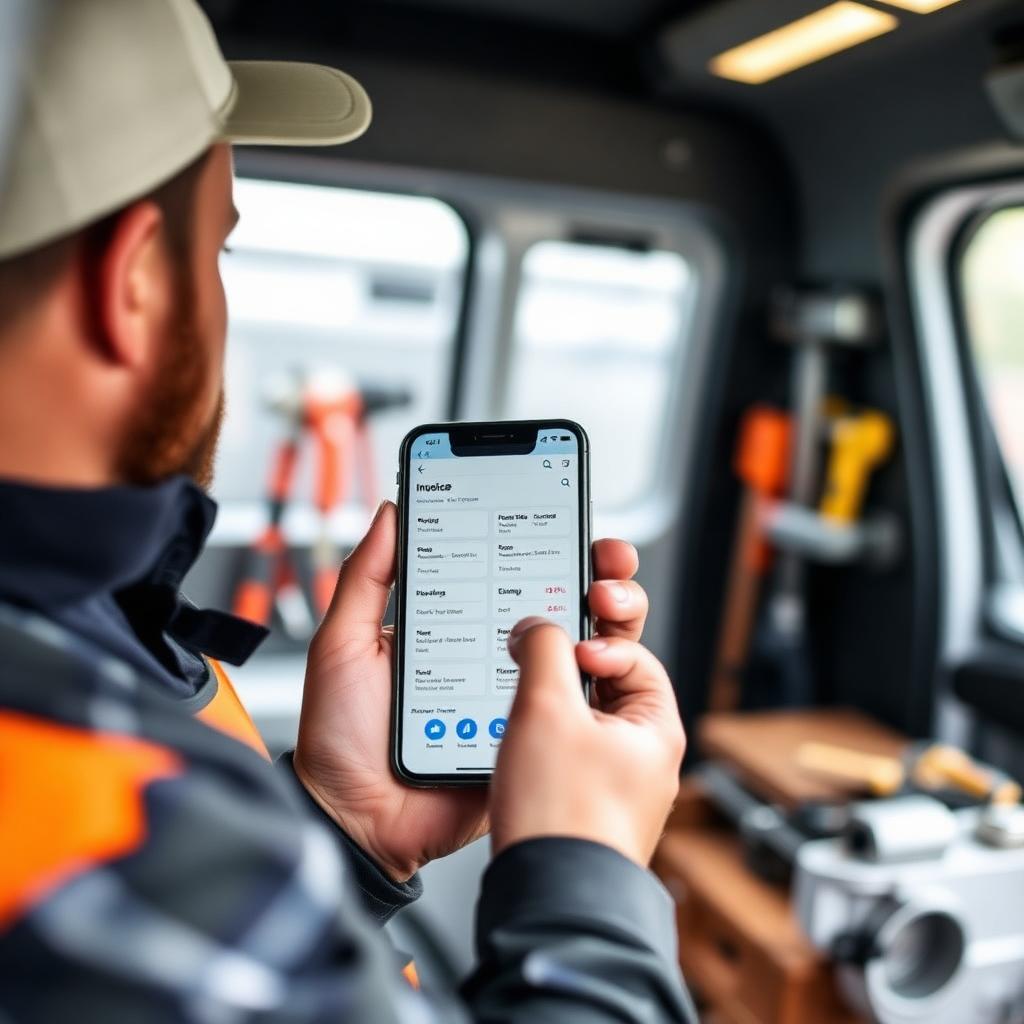
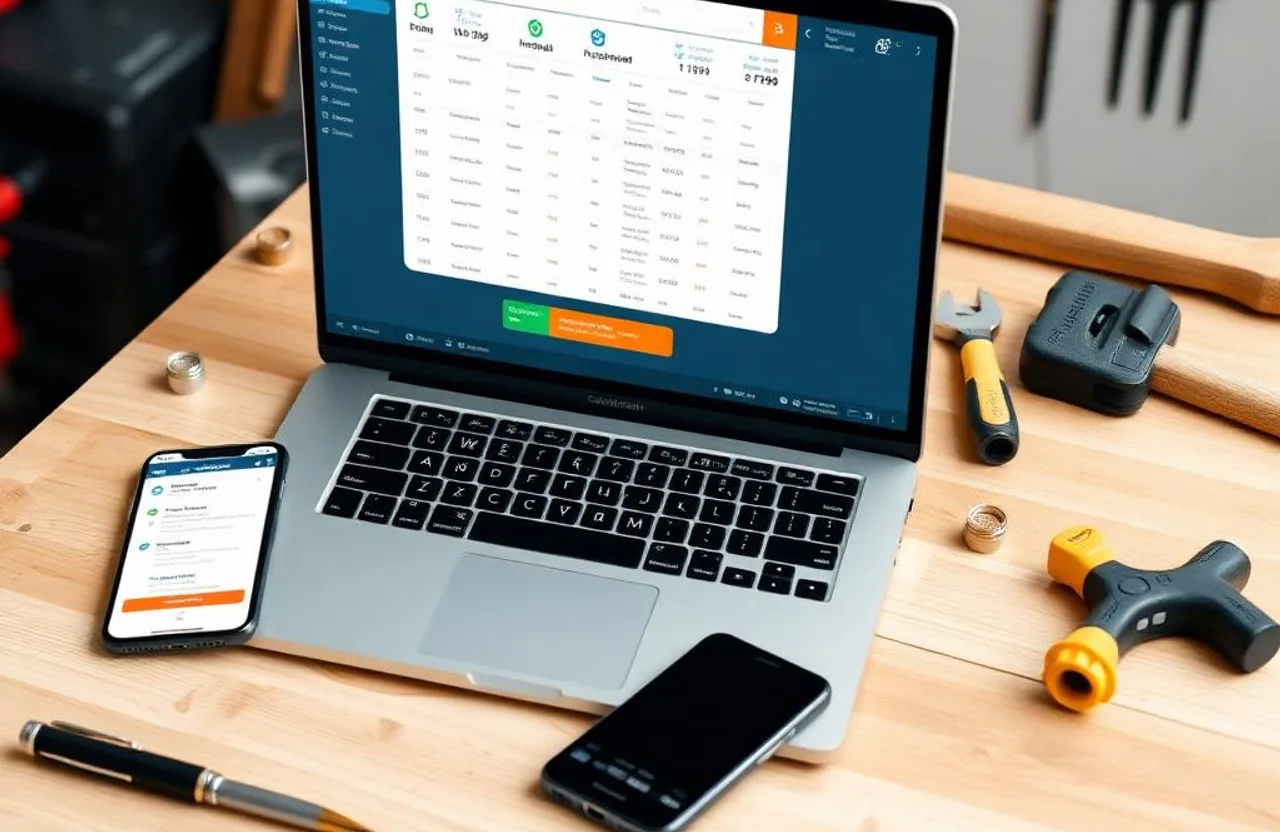
The tools in your van handle the physical work. The digital tools you use handle everything else — scheduling, customer communication, estimates, invoicing, follow-ups, and the systems that determine whether your business runs smoothly. Scheduling software prevents double-bookings and sends automatic appointment reminders. CRM software stores all customer information, service history, and communication in one place.
Invoicing and estimating tools create clean documents that help you get paid faster. Missed call text-back automation is one of the highest-impact digital tools a handyman can use — when you cannot answer a call on a job, the system automatically texts the caller to keep the lead warm until you can respond.
How Much Does It Cost to Build a Handyman Tool Kit?
A beginner toolkit that covers most common household jobs runs $800–$1,500 — cordless drill combo, complete hand tool set, safety gear, and a caulking gun. An intermediate toolkit ($2,000–$4,000) adds a circular saw, jigsaw, multi-tool, sander, laser level, and basic plumbing and electrical tools. A professional toolkit ($5,000–$10,000+) enables full trade capability across flooring, drywall, decks, and small renovations.
The most important principle is to buy quality where it matters most and build gradually everywhere else. A cheap cordless drill is a false economy — it fails when you need it most and costs you customer confidence at the worst possible time.
Frequently Asked Questions
What tools should every handyman have? A reliable cordless drill, complete screwdriver set, tape measure, hammer, utility knife, pliers, adjustable wrenches, a level, and a stud finder cover the majority of household repair and installation calls.
What are the most important power tools for a handyman? The cordless drill is the most universally important. An impact driver, circular saw, jigsaw, and oscillating multi-tool round out the core power tool kit.
Can I start a handyman business with basic tools? Yes. Many successful handyman businesses start with a modest toolkit focused on the services the owner can confidently deliver, then grow tool investment alongside service capabilities.
Final Thoughts
Building a well-equipped handyman toolkit is one of the most important investments you will make — but it does not need to happen all at once. Start with the core hand tools and a quality cordless drill system, add power tools as your service list expands, and invest in organizational systems that make every job day run more smoothly than the last.
Ready to grow?