Handyman Marketing: 15 Proven Strategies to Get More Local Customers
Discover 15 proven handyman marketing strategies — local SEO, Google Business Profile, paid ads, and referral systems — that bring in more booked jobs.

Finding customers is one of the biggest challenges every handyman business eventually faces. No matter how skilled you are with your hands, homeowners need to know your company exists before they can ever hire you. That is exactly where effective handyman marketing becomes not just useful but essential.
Many handymen rely entirely on word-of-mouth referrals, and while referrals are valuable, they are unpredictable. Today's customers almost always start their search online. They check Google, read reviews, compare websites, and look at photos of completed jobs before ever making a phone call. If your business is not visible where customers are actively searching, you are missing real job opportunities every single week.
The good news is that marketing does not have to be complicated or expensive. A combination of a professional website, local SEO, an optimized Google Business Profile, social media activity, and a consistent review strategy can help you attract more leads on a regular basis without spending a fortune on advertising.
At FixerCRM, we work specifically with service businesses that want to generate more calls, book more jobs, and build a stronger online presence. In this guide, we will walk through 15 practical handyman marketing strategies that can help you reach more homeowners, earn their trust, and grow your business in a competitive community.
What Is Handyman Marketing?
Handyman marketing refers to the strategies and activities used to promote your business, attract new customers, and generate a steady flow of booked jobs. The main goal is to make homeowners aware of your services, build enough trust that they reach out, and then turn those inquiries into actual work.
Online marketing focuses on reaching customers through digital channels — a professional website, Google search visibility, customer reviews, social media posts, and local SEO. When a homeowner searches "handyman near me" and your business appears near the top of the results, that is the result of consistent online marketing efforts working in the background.
Offline marketing remains equally important for many local service businesses. Yard signs, vehicle wraps, business cards, door hangers, flyers, and word-of-mouth referrals all help increase local visibility in ways that digital alone cannot always replicate.
Successful handyman marketing almost always combines both approaches. The more visible and professional your business appears across every channel, the easier it becomes to attract new customers and grow your reputation in your target area.
Why Marketing Matters for Handyman Businesses
Many handyman businesses rely heavily on referrals, but referrals alone are rarely enough to sustain consistent growth. Some months bring plenty of work, while others feel painfully slow. Marketing is what creates a predictable, steady flow of leads so your business is not constantly at the mercy of whoever happens to recommend you that week.
One of the biggest benefits of marketing is visibility at the exact right moment. When homeowners search online for repair, maintenance, or installation help, they typically contact the first few businesses they find. A strong online presence puts your company in front of potential customers precisely when they are ready to hire.
Customer trust also plays a major role in winning new jobs. Reviews, project photos, a well-designed website, clear pricing information, and a fast response time all contribute to that sense of confidence.
1. Build a Professional Handyman Website First
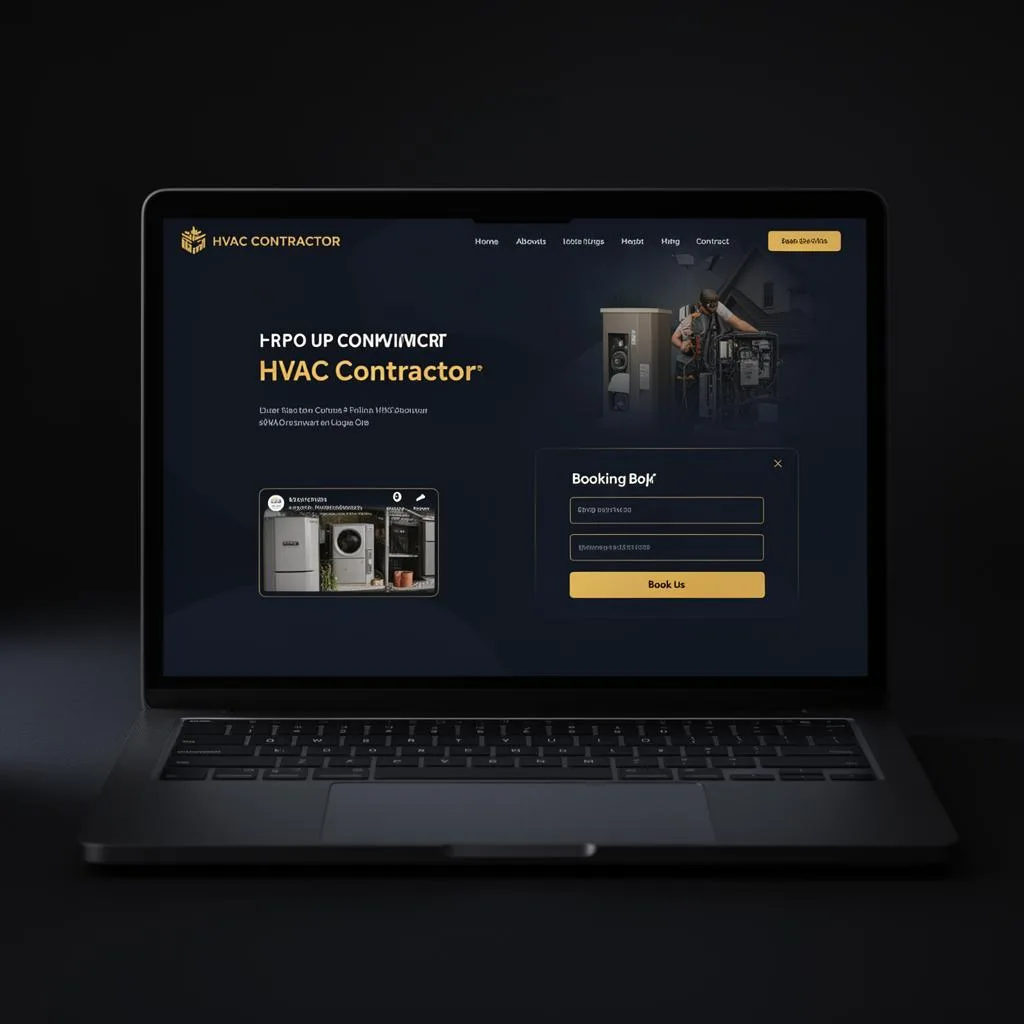
A professional website is the foundation of every other marketing effort you make. It works as your digital storefront — the first place most customers visit before they ever call you. If your website looks outdated, loads slowly, or is difficult to navigate on a phone, most visitors will leave within seconds and move on to a competitor.
A well-designed website gives you the opportunity to showcase your services, build trust through project photos and testimonials, and make it easy for homeowners to contact you or request a quote. Mobile friendliness is not optional. The majority of homeowners searching for handyman services are doing so on their phones.
Online quote forms are another feature that genuinely moves the needle. When a homeowner can fill out a form at 10pm on a Sunday without waiting for business hours, you capture leads you would otherwise lose entirely.
2. Optimize Your Google Business Profile
Google Business Profile (GBP) is arguably the single most powerful free marketing tool available to a local handyman. When someone searches "handyman near me" or "home repair services in [city]," your GBP listing is what appears in the map pack at the top of results — often before any website.
Setting it up correctly matters more than most business owners realize. Use your exact business name, add a local phone number, list your specific service areas, set accurate business hours, and choose the most relevant categories such as "Handyman" or "Home Repair Service."
Reviews are the most powerful component of your GBP. A profile with 40 recent five-star reviews will consistently outperform a competitor with a handful of old reviews. Photos also make a measurable difference. Post updates regularly — sharing seasonal offers, new services, or recent project completions keeps your profile active.
3. Use Local SEO to Get Found on Google
Local SEO is one of the most valuable long-term investments a handyman business can make. It is the process of optimizing your website and online presence so that your business appears prominently when homeowners in your area search for the services you offer.
The foundation of local SEO is relevance. Your website needs to clearly communicate what services you provide and which geographic areas you serve. Creating dedicated service pages is one of the most effective tactics available. Location-based pages are equally important if you serve multiple neighborhoods or cities.
4. Respond to Missed Calls Immediately
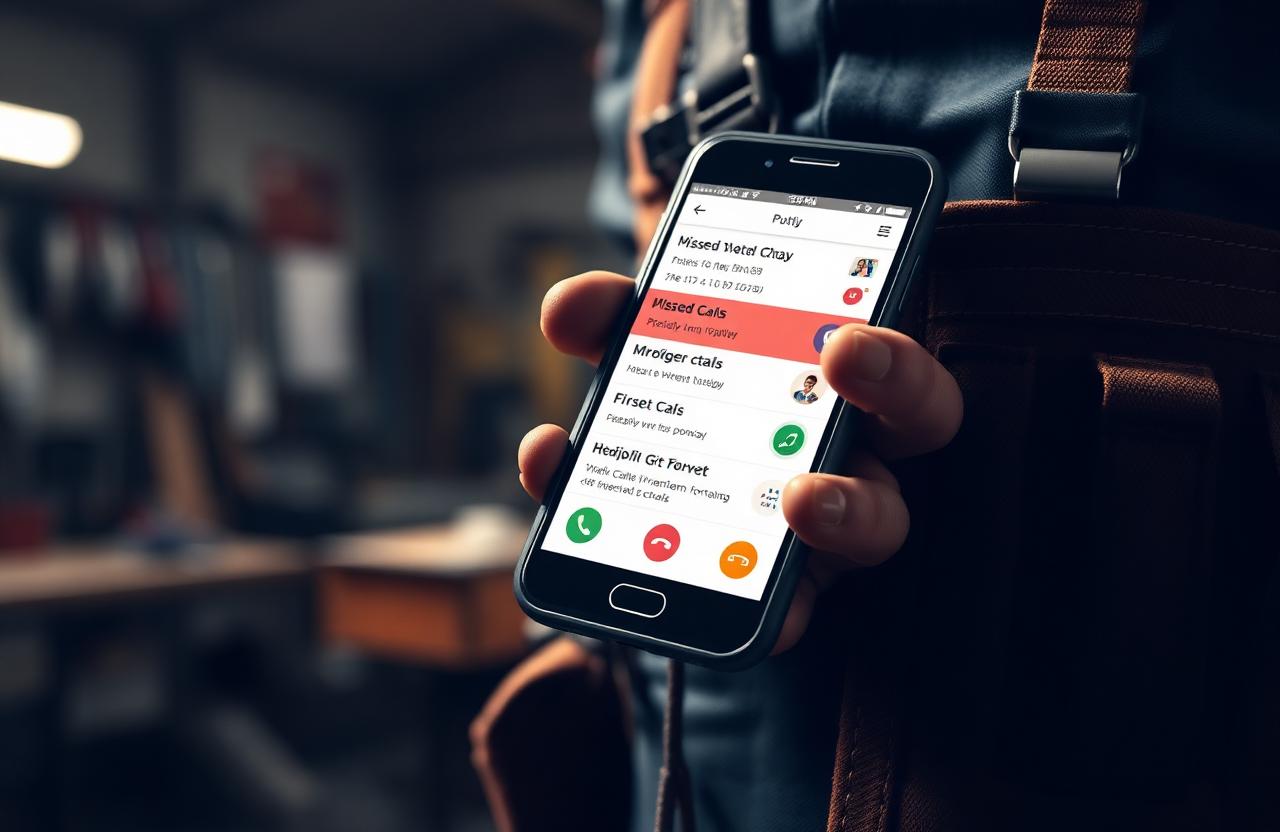
This is one of the most overlooked but highest-impact strategies in handyman marketing. Homeowners searching for repair help are often dealing with a stressful situation — a leaking pipe, a broken door, a stuck window. They want a response quickly, and they are usually contacting more than one business at the same time.
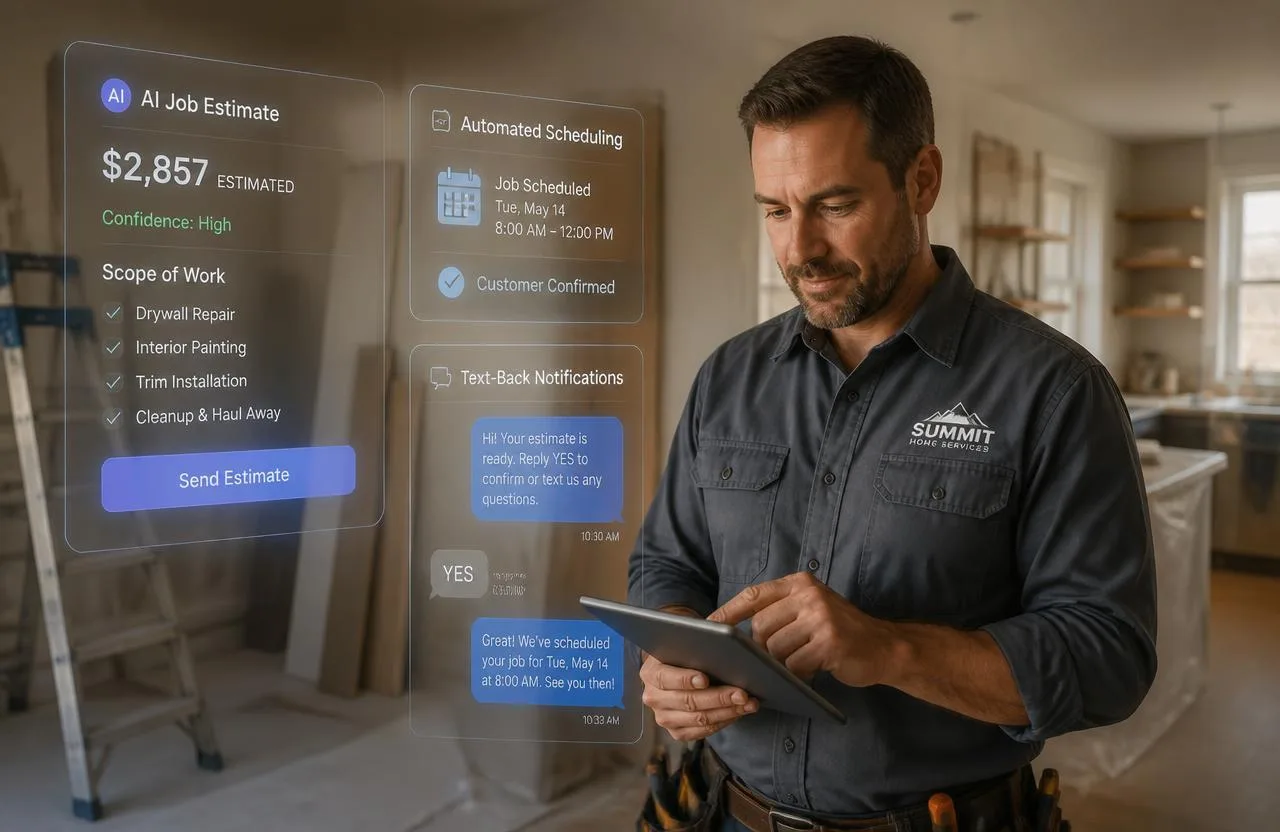
Missed call text-back automation solves this problem directly. The moment a call goes unanswered, the system automatically sends the customer a text message acknowledging their call and letting them know you will be in touch shortly. That simple message keeps them engaged long enough for you to finish your current job and call back instead of losing them to a competitor who picked up first.
5. Collect and Manage Customer Reviews
Customer reviews are one of the most persuasive marketing tools you have, and they cost nothing to generate. Before a homeowner hires any contractor, most of them read reviews. A handyman business with consistent positive feedback appears trustworthy before the first conversation even happens.
The best time to ask for a review is right after completing a job, when the customer is satisfied and the experience is fresh in their mind. Make the process as easy as possible by sharing a direct link to your Google review page. Responding to every review — positive and negative — also matters.
6. Handyman Advertising Ideas That Actually Work
Paid advertising gives you the ability to generate leads immediately rather than waiting months for organic efforts to build momentum. Google Ads are the most direct form of handyman advertising because they put your business in front of homeowners who are already searching for exactly what you offer.
Facebook Ads work differently. Rather than targeting people who are actively searching, they reach homeowners based on location, demographics, and interests.
- Before-and-after project photo ads perform especially well on Facebook and Instagram
- Time-limited seasonal promotions create urgency and drive calls quickly
- Video walkthroughs of completed jobs build trust better than static images
- Retargeting ads that follow up with people who visited your website but did not call are cost-efficient and effective
Even a modest daily budget of $10–$20 on Google Ads can generate meaningful results for a local handyman if the campaign is set up to target the right keywords and location.
7. Handyman Advertising Examples From Real Businesses
A handyman in Tampa running Google Ads for "same day handyman services Tampa" with a landing page showing five-star reviews and a one-click call button will convert at a much higher rate than a generic ad pointing to a homepage with no clear call to action.
On Facebook, a common high-performing format is a simple before-and-after image post with text like: "We fixed this bathroom in one afternoon. Serving homeowners across [city]. Call or message us for a free quote." The visual proof of the work does the selling.
For offline advertising, a magnetic sign on your work vehicle is one of the most cost-effective handyman advertising examples available. Door hangers left at homes adjacent to a completed job are another high-converting offline tactic.
8. Social Media Marketing for Handymen
Social media is not about going viral. For a local handyman business, it is a tool for building familiarity and trust within your community over time. Facebook is the most practical platform for local handyman marketing. Instagram is more visual and works best for showcasing the quality of your work.
- Post project photos consistently, even if it is just two or three times per week
- Use location tags on every post so local users can discover your content
- Respond promptly to every comment and direct message — speed signals professionalism
- Share brief video walkthroughs of completed work to build trust quickly
- Ask satisfied customers to tag your business when they share photos of their home
9. Referral Marketing and Customer Reviews
Referrals remain one of the most powerful lead sources for any handyman business, but waiting passively for them to happen is not a strategy. The simplest referral program works like this: after completing a job and confirming the customer is satisfied, you let them know that you offer a discount or a small gift card to any customer who refers a friend, family member, or neighbor who books a job.
Follow-up messaging plays a major role here as well. Sending a thank-you text or email a few days after completing a job, along with a reminder that referrals are appreciated, keeps you top of mind.
10. Email and SMS Follow-Ups
Most handyman businesses focus entirely on generating new leads and pay almost no attention to the customers they have already served. This is a significant missed opportunity. A homeowner who trusted you enough to let you into their home is far easier to convert into a repeat customer than a cold lead.
After completing a job, send a short follow-up text thanking the customer and asking if they are happy with the work. A few weeks later, a brief email reminding them of your other services or flagging a seasonal maintenance task they might need can generate repeat bookings. SMS messages in particular have extremely high open rates compared to email.
11. Use a CRM System to Stay Organized
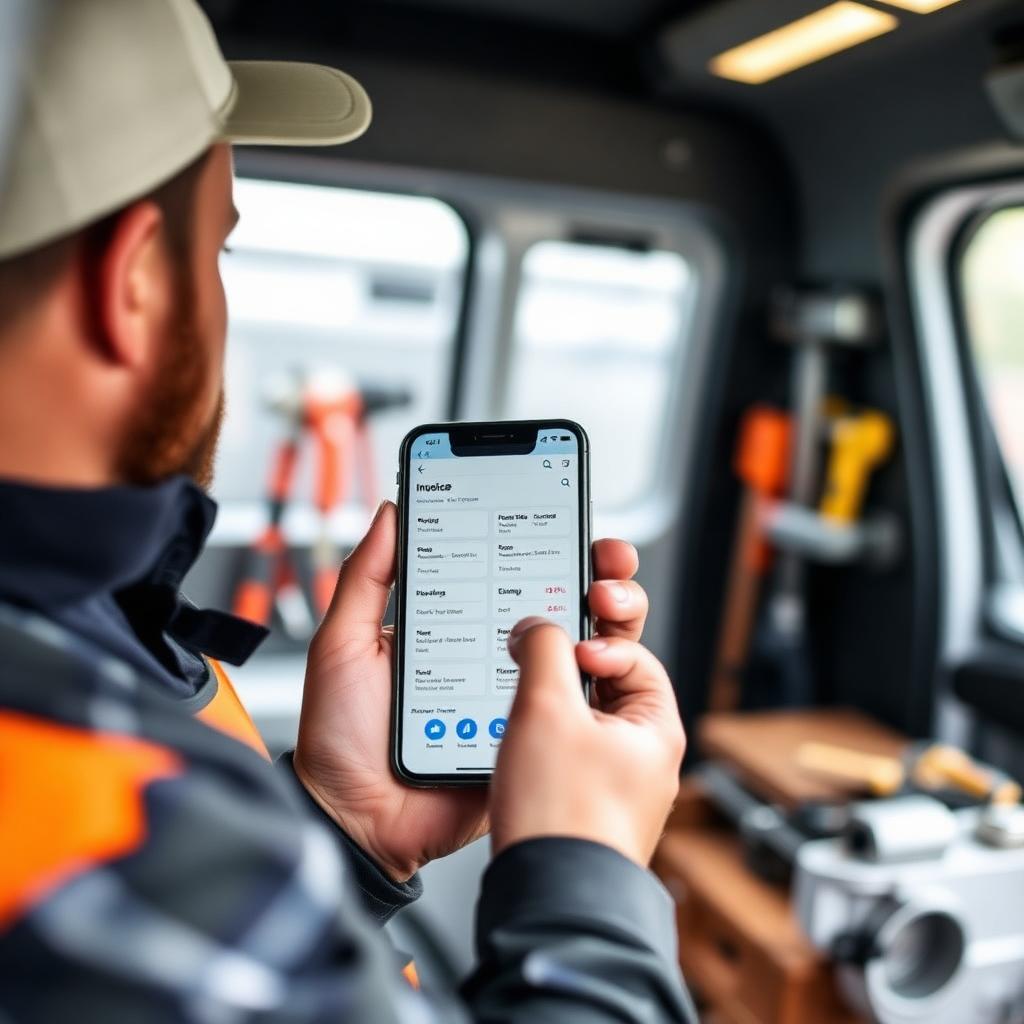
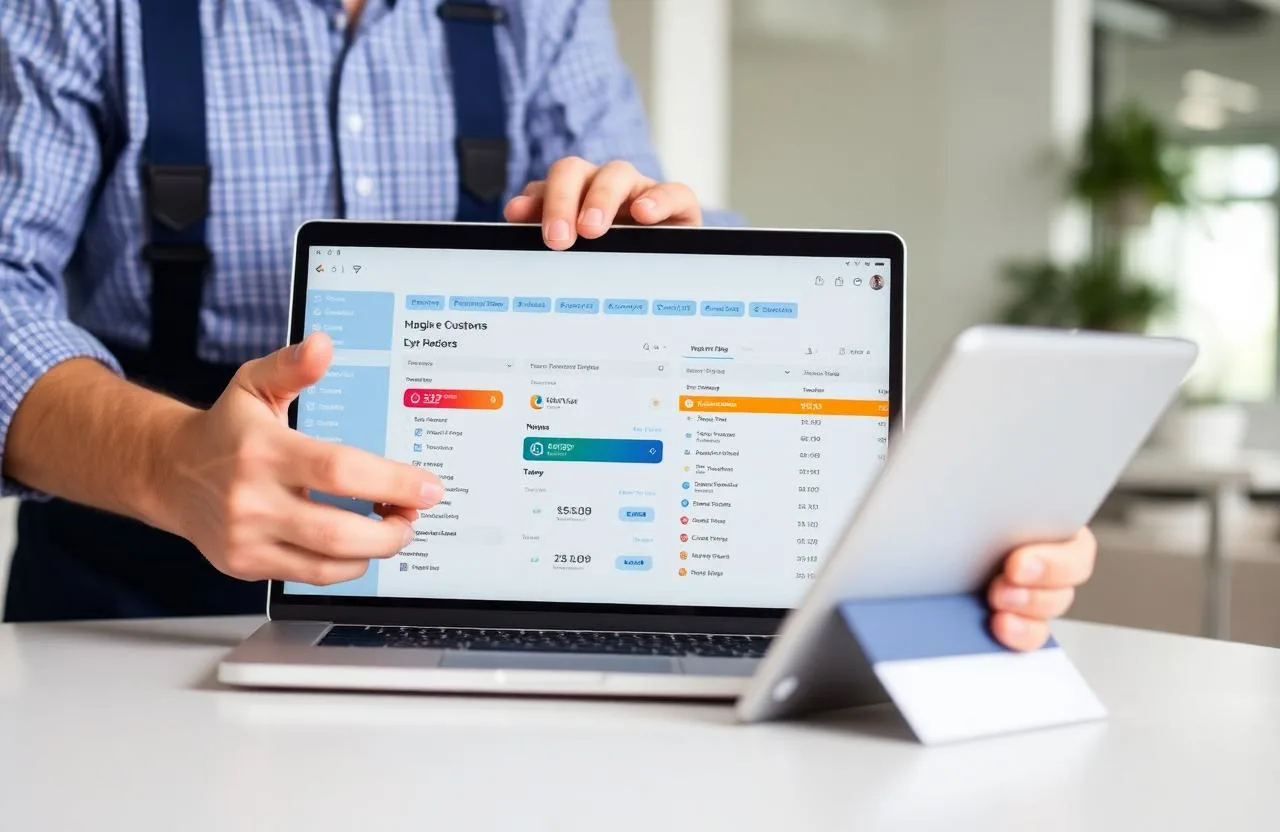
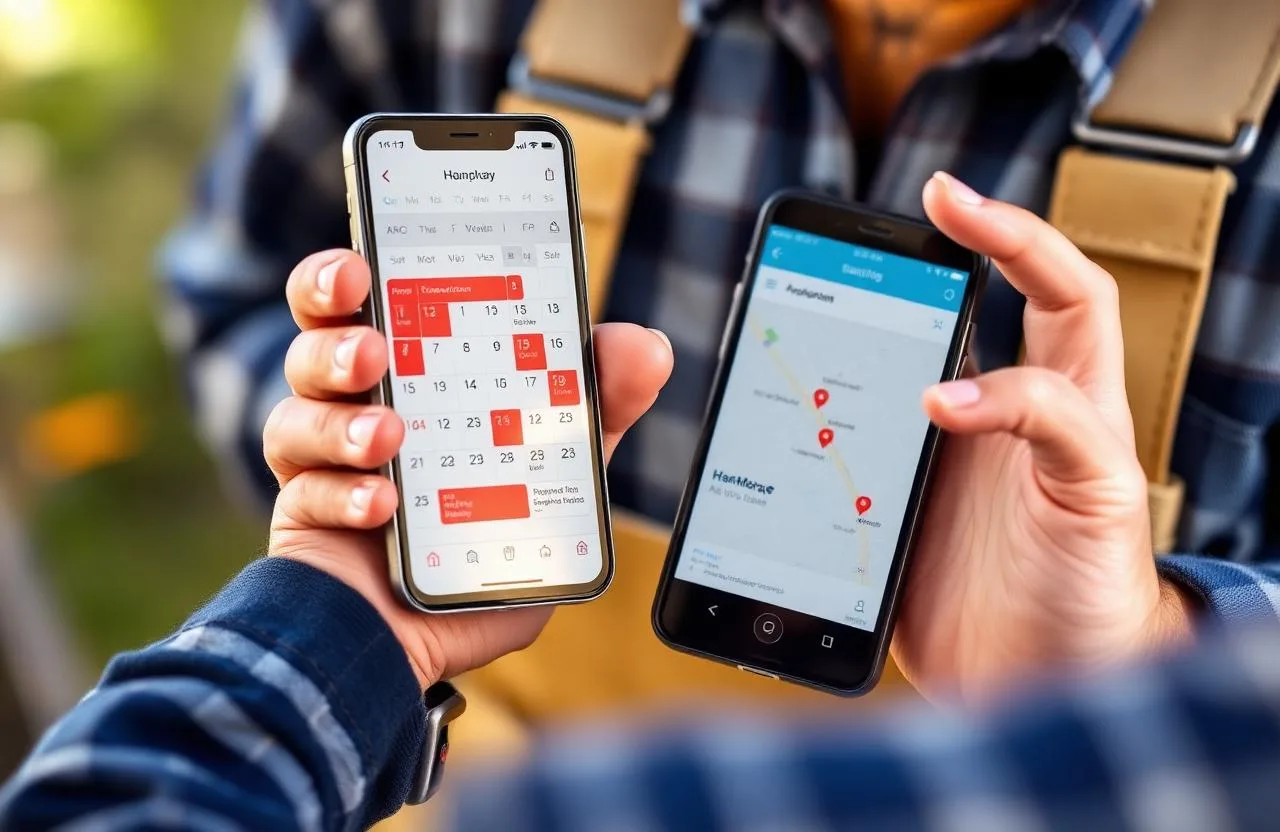
As your handyman business grows, managing leads, appointments, estimates, and follow-ups through a combination of text messages, notebooks, and memory becomes increasingly unreliable. A CRM system keeps everything organized in one place — lead details, conversation history, scheduled appointments, outstanding estimates, and completed jobs.
Beyond organization, a CRM also supports your marketing efforts. Automated follow-ups, review request messages, and appointment reminders can all be triggered automatically based on where a customer is in your workflow.
12. Make Sure Your Website Works Perfectly on Mobile
Most homeowners searching for a handyman today are doing it on a smartphone, often in a hurry. If your website is slow to load, hard to read on a small screen, or buries the phone number at the bottom of a long page, visitors will leave immediately and find someone whose site works better.
A mobile-friendly website should load in under three seconds, display your phone number prominently with a click-to-call button, and allow visitors to request a quote or contact you without pinching, zooming, or scrolling through unnecessary content.
13. How to Market a Handyman Business on a Small Budget
You do not need to spend thousands of dollars a month on advertising to grow a successful handyman business. Your Google Business Profile is completely free and, when optimized properly, can generate a significant portion of your inbound leads without any ad spend.
When you are ready to spend a small amount on advertising, start with a tightly targeted Google Ads campaign focused on your highest-value services in your specific area. A budget of $200–$300 per month directed at the right search terms can generate a meaningful number of qualified leads for a local handyman.
The key principle for marketing on a small budget is to focus on quality over quantity. Consistency over time is what compounds these efforts into genuine growth.
Common Handyman Marketing Mistakes to Avoid
Having a poor or outdated website. A slow, confusing, or visually unprofessional website destroys trust before a single conversation happens. A good website is not an expense — it is the single most important marketing asset you have.
Responding to leads too slowly. In the handyman industry, speed of response is often more important than price. Customers contact multiple businesses simultaneously, and whoever responds first usually gets the job.
Ignoring reviews entirely. A business with no reviews or only a handful of old ones looks unestablished to new customers. Actively asking every satisfied customer for a Google review is one of the highest-return habits a handyman can develop.
Inconsistent branding across platforms. If your business name appears differently on Google, Facebook, and your website, or if your phone number or address is listed incorrectly anywhere, it creates confusion and weakens your credibility.
Trying to do everything at once without doing anything well. A better approach is to master one channel — usually your Google Business Profile or your website — before adding others.
Final Thoughts
Handyman marketing is about combining multiple small strategies into a consistent system that generates leads, builds trust, and converts homeowners into loyal repeat customers over time.
When all of these systems work together — a professional website, local SEO, an active Google Business Profile, automated follow-ups, and a CRM that keeps everything organized — marketing stops feeling like a chore and starts generating predictable results.
Ready to grow?