Handyman Business License: Do You Need One, and How Do You Get It? (2026 Guide)
Find out whether your state requires a handyman license, what threshold triggers a full contractor license, and the exact steps to get properly licensed before you take your next job.

One question trips up more new handyman business owners than almost any other: do I actually need a license to work? The honest answer is “it depends” — on your state, the size of the job, and whether the work needs a building permit. Get it wrong and the cost isn't just a fine. You can lose the legal right to collect payment, void your insurance, and hand a competitor the job you were counting on.
This guide breaks down exactly when a license is required, which type you need, what it costs, and how to get it — so you can take on bigger jobs with confidence instead of guessing.
Is There Actually a “Handyman License”?
Not really — and that's where most of the confusion comes from. Almost no state issues a license called a “handyman license.” Instead, most states set a dollar threshold: work under that amount can be done without a contractor license, and work over it can't. That threshold typically falls somewhere between $500 and $10,000 depending on the state, and it usually applies to the combined cost of labor and materials, not labor alone.
So the real question isn't “am I licensed as a handyman” — it's “does this specific job fall under my state's contractor licensing threshold, and does it involve a trade that always needs its own license regardless of price.”
Business License vs. Contractor License: Know the Difference
These two get mixed up constantly, but they serve different purposes:
- A general business license is a basic local registration that lets you legally operate any business in your city or county. Most places require it regardless of trade.
- A contractor license is a trade-specific credential that permits construction, repair, or improvement work once it crosses your state's dollar threshold or involves a permit.
Most handyman businesses eventually need both — a general business license to operate legally from day one, and a contractor license once project values grow past the state limit.
Jobs You Can Usually Take Without a Contractor License
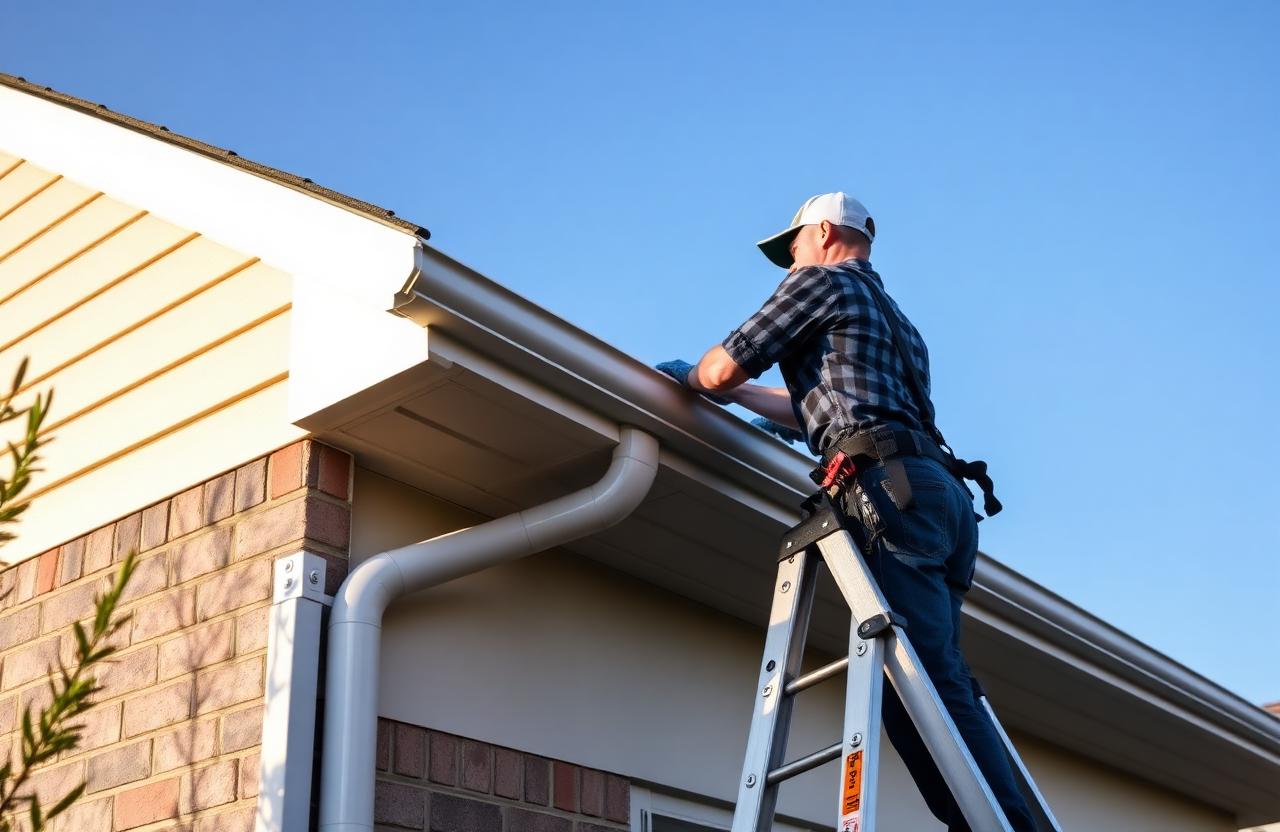
Below the threshold, common handyman work is typically fine without a state contractor license — furniture assembly, TV mounting, minor drywall patching, caulking, door adjustments, fence repair, gutter cleaning, pressure washing, and general maintenance. These are the everyday jobs most handyman businesses are built on, and in most states they don't require anything beyond a general business registration.
The catch: cities and counties can add their own rules on top of the state baseline. A state with no statewide handyman licensing rule can still sit inside a city that requires local registration. Never assume your state's rule is the whole picture — check your specific city and county too.
When You Need a Full Contractor License
You've crossed into contractor-license territory when any of the following applies:
- The job's total cost (labor plus materials) exceeds your state's dollar threshold
- The work requires pulling a building permit
- You're performing electrical, plumbing, HVAC, or structural work — these almost always need a trade-specific license regardless of price
- You're bringing on additional workers for a job
If you're regularly turning down larger jobs, dodging the “are you licensed” question from clients, or want the ability to pull permits, that's the clearest sign it's time to get licensed.
Types of Licenses and Permits a Handyman May Need
General Business License — a basic registration from your city or county clerk that lets you legally operate and pay local business taxes. Usually required before you can open a business bank account.
Contractor License — issued by your state licensing board once you cross the dollar threshold. Some states issue one general license; others require separate licenses by trade (carpentry, painting, tile, roofing).
Local City or County Permit — many larger cities and counties layer their own contractor registration on top of the state system, often requiring proof of insurance and a fee.
Home Occupation Permit — needed if you run the business from home, store equipment there, or park a work vehicle at your residence. It confirms your business activity fits your neighborhood's residential zoning.
Sales Tax Permit — in most states, handyman labor isn't taxed, but materials you resell to customers often are. Confirm the rule with your state's department of revenue before you start invoicing for materials.
License Thresholds: A Few State Examples
Thresholds change, so always confirm with your state's licensing board directly — but here's a general picture of how different states approach it:
- California requires a contractor license from the CSLB once a job's combined labor and materials cost passes roughly $1,000.
- Florida sets its handyman threshold around $2,500, with separate licenses required for structural, electrical, plumbing, and HVAC work.
- Texas has no statewide handyman license requirement, but major cities often layer on their own contractor registration rules.
- Washington doesn't require a license for general handyman work, but does require registering with the Department of Labor and Industries, along with a bond and liability coverage.
- Arizona and Nevada both set contractor licensing thresholds around $1,000, or immediately once a building permit is involved.
Because these numbers shift and local rules stack on top of state ones, treat this as a starting point for research — not a final answer for your city.
How to Get Your Handyman Business Licensed
1. Confirm your state's threshold and trade rules. Start with your state's contractor licensing board or department of consumer affairs to find your exact dollar threshold and which trades require separate licensing.
2. Lock in your business structure. Most handymen operate as a sole proprietorship or an LLC. An LLC costs more to set up but separates your personal assets from business liability — worth serious thought once you're accepting larger jobs. If you haven't picked a structure yet, our guide to starting a handyman business walks through the full setup process.
3. Register your business name and get an EIN. If you're operating under anything other than your own legal name, file a DBA with your state or county. An EIN from the IRS is free and lets you open a business bank account without using your Social Security number.
4. Apply at the state, county, and city level. Each may have separate applications, fees, and requirements — research all three rather than assuming one covers the others.
5. Line up your insurance and bonding. Most license applications require proof of general liability insurance before they'll approve you, and some states require a surety bond on top of that. Our handyman insurance guide covers exactly what coverage you need and what it costs.
6. Keep it current. Licenses lapse. Set renewal reminders well ahead of the deadline — a lapsed license puts you back in unlicensed territory even after doing the work to get properly set up.
What Licensing Actually Costs
General business license registration typically runs $15 to $200 depending on your city or county, with renewals in the $15–$100 range. Contractor license applications vary more — commonly under $100 to $400+ depending on the state, plus separate exam fees where an exam is required. Add insurance on top: budget roughly $500 to $1,500 a year for general liability alone. All told, most handymen spend somewhere between $200 and $1,500 to get fully licensed and insured in year one, with renewal costs dropping considerably after that.
What Happens If You Skip It
Operating without a required license isn't a minor risk. Penalties commonly range from a few hundred dollars to $10,000 or more per offense, and in some states unlicensed contracting is a criminal misdemeanor. Beyond the fine, you typically lose the legal right to collect payment through the courts — a customer can simply refuse to pay, and you have no recourse. Insurance can also deny a claim outright if it involved work you weren't licensed to perform, leaving you personally on the hook for damages. And homeowners increasingly check license status online before hiring, so getting caught unlicensed doesn't just cost money — it costs the job and the referral that would have come with it.
Frequently Asked Questions
Do I need a license to start a handyman business? Not always — most states let you take on smaller jobs below their dollar threshold without a contractor license. A general local business registration, though, is usually required regardless of job size.
How long does licensing take? A general business license is often approved within days to two weeks. A full contractor license takes longer — commonly four to twelve weeks once you factor in experience verification and any required exam.
Is a handyman license the same as a contractor license? Essentially, yes. Most states don't issue a separate “handyman license” — there's a contractor license, and the question is simply at what dollar amount or trade type your work requires it.
Can I get licensed after I've already started working? Yes, and it's worth doing sooner rather than later. If you're already taking on jobs near or above your state's threshold, getting licensed now avoids penalties, protects your ability to collect payment, and lets you start bidding on the larger jobs that unlicensed handymen have to turn down.
Final Thoughts
Getting licensed isn't paperwork for its own sake — it's what lets you pull permits, work with property managers, and charge the rates that come with looking like an established, trustworthy business. Start by checking your exact state threshold, confirm what your city or county adds on top, and line up your insurance before you apply. Once that foundation is in place, the systems that support a growing licensed business — a professional website, online booking, and a CRM that keeps every customer and job organized — are what turn that credibility into booked work.
Ready to grow?