Handyman Business Plan: Step-by-Step Guide + Free Template (2026)
A practical, step-by-step guide to writing a handyman business plan — with a free template covering services, pricing, startup costs, marketing, and financial projections.

Starting a handyman business without a clear plan is like showing up to a job site without a tape measure — you might get something done, but you will waste time, make avoidable mistakes, and have no real way to know if you are actually moving in the right direction. A solid handyman business plan changes that.
The good news is that a handyman business plan does not need to be a fifty-page document written for investors. For most local service businesses, a clear and practical plan covering your services, target customers, startup costs, pricing, and marketing strategy is enough to guide real decisions and keep you organized as the business grows.
What Is a Handyman Business Plan?
A handyman business plan is a written document that outlines how your business will operate, who you will serve, what you will charge, how much it will cost to get started, and how you plan to attract and keep customers. It is primarily a practical tool for the owner — a clear answer to what services you offer, who your ideal customer is, what it costs to run the business, and how you will consistently find new work.
Why Every Handyman Business Needs a Business Plan
Without a plan, growth tends to stay unpredictable, pricing tends to be inconsistent, and it becomes much harder to know whether the business is actually profitable or just busy. A business plan forces you to think through your pricing before a customer asks for a quote, helps you identify which services are most in demand in your specific area, and gives you a financial baseline so you know exactly how many jobs you need to complete each month to cover your costs.
What to Include in a Handyman Business Plan
- Executive summary
- Business description
- Services offered
- Market analysis (competitors and target customers)
- Marketing strategy
- Pricing strategy
- Operations plan and equipment needs
- Startup costs and funding sources
- Financial projections
- Licensing and insurance requirements
Executive Summary
The executive summary is a brief overview of your entire business plan, written in just a few paragraphs. Even though it appears first in the document, most people write it last. A strong executive summary states your business name, the services you offer, your target market and service area, and a brief summary of what makes your business worth choosing over competitors.
Business Description
The business description expands on your executive summary with more detail about your company's structure, mission, and the problem you solve for customers. Describe your business structure, when you plan to launch, and where you will operate from. This is also the place to briefly describe your own background and qualifications.
Handyman Services You'll Offer
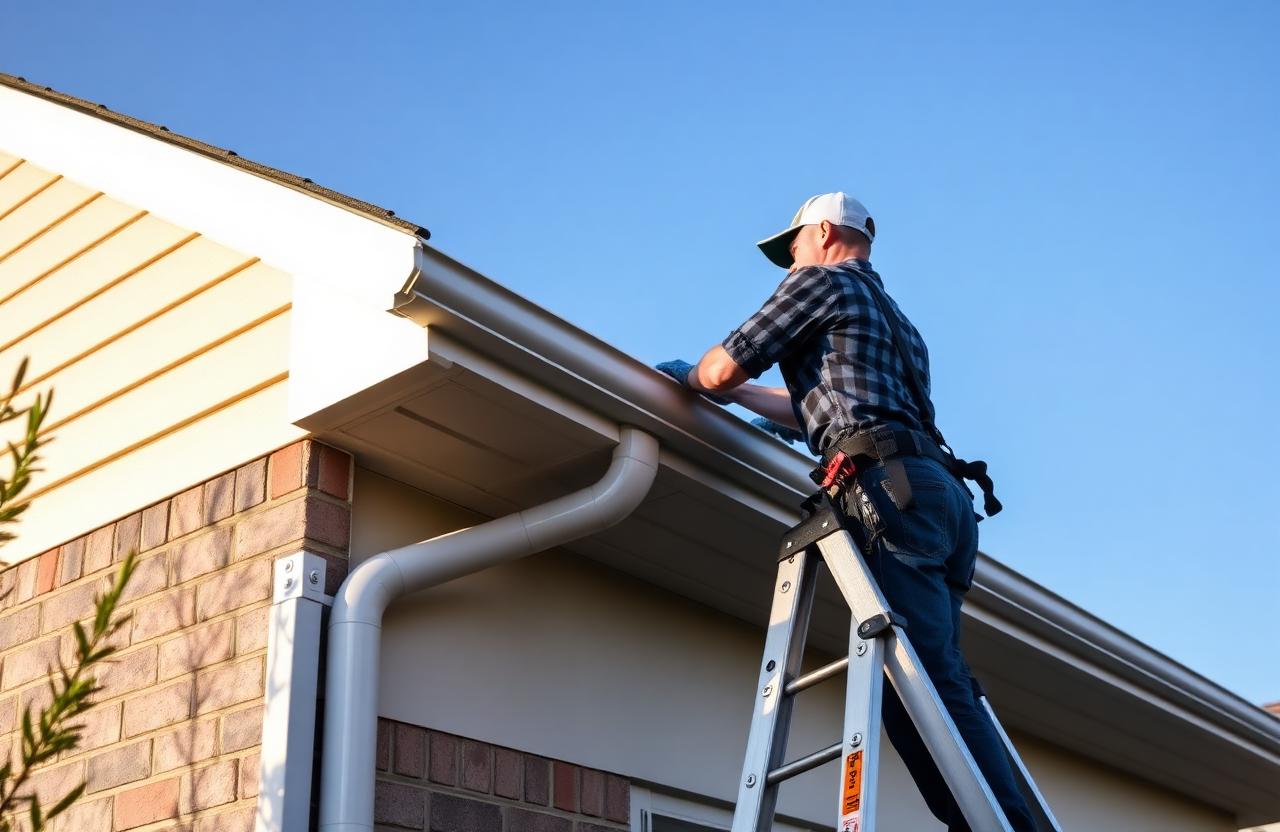
Clearly defining your service list shapes your marketing, your pricing, your equipment purchases, and the type of customers you attract. A focused starting service list might include drywall repair, furniture assembly, TV mounting, door repair, caulking, minor carpentry, shelf installation, gutter cleaning, pressure washing, and general home maintenance. Consider organizing services into tiers — core services you actively market and secondary services offered on request.
Market Analysis
Before launching, spend real time researching the other handyman businesses already operating in your area. Search Google for handyman-related terms and note their websites, reviews, pricing, and service focus. Pay close attention to Google Business Profile review counts, since that gives you a realistic sense of how established the competition already is.
Once you understand your local competition, define clearly what will differentiate your business — faster response times, transparent upfront pricing, a stronger online presence, a more professional customer experience, or a specific service niche competitors do not emphasize. Write your differentiation down specifically.
Target Customers
Common target customer segments include homeowners aged 35–65 in established neighborhoods, busy working professionals who value convenience, landlords and property managers, and elderly homeowners who need help with tasks that have become physically difficult. Consider income level and housing stock in your service area — older homes generate more repair work while newer developments generate more installation work.
Marketing Strategy
Your marketing strategy should outline specifically how you intend to generate leads. A professional, mobile-friendly website is the foundation. A fully optimized Google Business Profile is typically the single highest-impact free marketing asset available. Local SEO, Facebook marketing, and a structured referral program round out an effective plan for a new handyman business.
Pricing Strategy
Your pricing strategy should outline how you will calculate prices for jobs, not just what your hourly rate will be. Research what established competitors charge for comparable services. Decide whether you will price by the hour, flat-rate, or a hybrid approach. Document your minimum service charge (commonly $75–$150) to ensure small jobs remain profitable once fuel and travel are factored in.
Operations Plan
The operations plan describes how your business will actually run day to day — your scheduling process, how customers reach you, how you handle estimates and invoicing, and how you manage the logistics of moving between jobs. Even a brief outline of this workflow helps you identify gaps before they become recurring problems.
Startup Costs and Funding
A functional beginner toolkit typically costs $800–$1,500. Vehicle costs vary depending on whether you already own one. General liability insurance runs $500–$1,500 annually. A reasonable initial marketing budget for a professional website, business cards, and signage totals $500–$2,500. Job management and CRM software typically runs $30–$150 per month.
Financial Projections
List your recurring monthly costs — insurance, software, fuel, marketing, phone. Monthly recurring expenses for a solo handyman typically fall between $800 and $2,000. Project revenue based on realistic jobs per week and average job value. Your break-even point is the monthly revenue needed to cover fixed expenses before profit begins — a useful, concrete number to track as you grow.
Business Licenses and Insurance
Licensing requirements vary significantly by state and city. Most handyman businesses register as either a sole proprietorship or an LLC. Depending on your state, you may need to register for state sales tax collection and set up a system for tracking income and expenses for both federal and state tax filing.
Free Handyman Business Plan Template
- Executive Summary — business name, services, service area, target customer, year-one goal
- Business Description — structure, launch timeline, base of operations, problem you solve
- Services Offered — core services and secondary services offered on request
- Market Analysis — top 3–5 local competitors with strengths, weaknesses, and pricing
- Target Customers — primary segments, demographics, and what they value most
- Marketing Strategy — website, Google Business Profile, local SEO, social, referrals, budget
- Pricing Strategy — hourly, flat-rate, or hybrid; minimum service charge; local benchmarks
- Operations Plan — scheduling process, customer communication workflow, tools/software
- Startup Costs — equipment, vehicle, insurance, marketing, and software totals
- Financial Projections — monthly expenses, realistic revenue, and break-even point
- Licensing and Insurance — state licensing, business registration, and insurance coverage
Frequently Asked Questions
How much does it cost to start a handyman business? Most handyman businesses can launch with a total startup investment between $1,500 and $6,000 covering basic tools, business registration, insurance, and initial marketing materials.
Do I need a license to start a handyman business? Licensing requirements vary by state, county, and city. Always verify the specific requirements in your area through your state's contractor licensing board before advertising services.
What should a handyman business plan include? Executive summary, business description, services, market and competitor analysis, target customers, marketing strategy, pricing strategy, operations plan, startup costs, financial projections, and licensing and insurance details.
Final Thoughts
A handyman business plan is not a formality to complete once and forget about. It is a working document that clarifies your services, your pricing, your costs, and your path to consistent customers — the exact decisions that separate handyman businesses that grow steadily from those that stay stuck in unpredictable, reactive cycles.
Ready to grow?