Handyman Pricing Guide: How to Estimate Handyman Jobs for Maximum Profit (2026)
Learn how to estimate handyman jobs, calculate your minimum profitable hourly rate, choose flat vs hourly pricing, and create professional estimates that win more jobs.

Pricing is one of the areas where most handyman businesses quietly lose money — not because they charge too little per hour, but because they never built a real system for calculating what every job actually costs to complete. They guess. They match a competitor's rate. They charge what felt reasonable for the last job. And month after month, they stay busy without ever building meaningful profit.
This handyman pricing guide was written to fix that. Whether you are launching a new business and setting your rates for the first time, or you have been operating for years and suspect your pricing is leaving money on the table, this guide covers the complete process — from calculating your true minimum profitable rate to creating professional estimates that customers trust and approve quickly.
By the time you finish reading, you will know exactly how to estimate handyman jobs, when to charge flat rate versus hourly, how to price emergency work, and what a professional estimate looks like when it is done right.
What Is a Handyman Pricing Guide?
A handyman pricing guide is a structured framework that helps handyman business owners calculate what to charge for their services. It covers labor costs, material costs, overhead expenses, profit margins, and the specific pricing methods — hourly, flat rate, or a combination of both — that produce the best financial outcomes for different types of jobs.
Most handymen start their pricing journey by searching for what competitors charge and matching that number. The problem is that every business has different costs. Copying someone else's rate without understanding your own numbers means you may be profitable, or you may be working yourself to the edge of breaking even — and you will not know which until you actually do the math.
A proper handyman pricing guide starts with your costs and works outward to your price — not the other way around.
Why Accurate Handyman Pricing Matters
The difference between a handyman business that generates strong income and one that stays perpetually tight on cash almost always comes down to pricing accuracy. Underpricing does not just reduce profit on individual jobs — it creates a compounding problem that gets harder to fix the longer it continues.
When you charge below your actual cost of doing business, you attract price-sensitive customers who are the least loyal, you generate no margin to invest in growth, and you face resistance when you eventually raise your prices.
Accurate pricing allows you to serve fewer jobs at higher margin — less physical strain, more time to do each job properly, and stronger results that generate better reviews and more referrals. It also protects you during slow periods.
How to Estimate Handyman Jobs Step by Step
Estimating a job correctly requires a structured process, not a gut feeling. The following six steps cover everything from the initial site inspection through to delivering a professional written estimate.
Step 1: Inspect the Job
Every estimate starts with a proper job inspection, either in person or through detailed photos and measurements. Never price a job you have not seen — verbal descriptions from homeowners are almost always incomplete.
During the inspection, look for:
- The full scope of work, including any prep, cleanup, or disposal
- Access challenges — tight spaces, high ceilings, awkward angles
- Existing damage or complications that could expand the scope
- Materials needed and whether they are standard or specialty items
- Whether any permits are required for the type of work involved
Step 2: Calculate Labor Costs
Labor is almost always the largest cost component. Your hourly rate needs to cover not just your time but every business cost associated with your time. The correct starting point is your minimum profitable hourly rate:
(Monthly Business Expenses + Monthly Desired Income) ÷ Monthly Billable Hours = Minimum Hourly Rate
For example, if monthly business costs total $1,400 and you want $4,500 per month personal income, your target is $5,900. At 105 billable hours per month, your minimum profitable rate is roughly $56 per hour.
In 2026, self-employed handymen typically charge $50–$80 per hour, while those working through larger companies charge $75–$125 per hour. The national average for a professional-level handyman runs $65–$85 per hour, with specialized work pushing rates to $100–$150 per hour.
Billable vs Non-Billable Hours
A typical 9-hour workday might only produce 5–6 billable hours after driving, estimating, and admin. Many handymen have a minimum charge of $100–$200 regardless of how long the job takes, because showing up for less fails to cover the unbilled time that makes up the actual workday.
Step 3: Estimate Material Costs
Material costs need to be calculated accurately before the estimate is created, not guessed and corrected after the invoice. Purchasing materials is a service, not just a cost pass-through. Most handymen apply a 20% to 50% markup on materials, plus a trip charge of $30 to $80 if a separate supply run is required.
A standard 25–30% markup on materials is reasonable and defensible when it is explained as part of your service.
Step 4: Add Overhead Expenses
Overhead costs are the fixed and recurring expenses of running your business that exist whether you are on a job or not. Most handymen either undercount these or forget to allocate them to individual jobs.
Your monthly overhead typically includes:
- Business insurance (general liability, tools, commercial auto)
- Vehicle payment, fuel, maintenance, and registration
- Tools and equipment depreciation and replacement
- Software subscriptions (CRM, scheduling, invoicing)
- Phone and business line
- Marketing and advertising
- Professional memberships or licensing fees
- Accounting or bookkeeping costs
Divide monthly overhead by monthly billable hours to get your overhead cost per billable hour. That number needs to be built into every estimate.
Step 5: Include Your Profit Margin
Profit margin is not the same as your own wages. Your labor rate should already include your personal income. Profit margin is the amount above all costs that allows the business itself to grow, invest in better equipment, and absorb slow periods.
Professional handyman operators in 2026 prioritize a pricing structure that protects a 30% net profit margin while covering tool depreciation and insurance. For a small solo operation, even a 15–20% profit margin above all costs gives you meaningful financial flexibility.
Step 6: Create a Professional Estimate
The estimate document is a significant part of the impression your business makes. A clear breakdown of what the customer is paying for reduces objections because the total is no longer a mystery — it is the sum of transparent, logical line items.
Flat Rate vs Hourly Pricing
Flat rate pricing gives customers complete cost certainty before the work begins. By 2026, market data suggests that 84% of customers prefer the transparency of flat-rate quotes. Flat rates also reward your efficiency — if you complete a common job in 45 minutes, you earn more per hour.
The primary risk of flat rate pricing is scope creep. Managing this requires clear written scope definitions and a documented process for handling discoveries that change the scope of the agreed work.
Hourly pricing protects you on unpredictable jobs where the scope genuinely cannot be defined in advance — troubleshooting plumbing, diagnosing electrical, or opening walls of unknown condition.
The hybrid model — a flat diagnostic or service call fee of $79–$125 plus an hourly rate for the actual work — combines the best of both approaches and is gaining significant traction among handyman businesses.
Average Handyman Hourly Rates in 2026
As of 2026, the average handyman hourly rate in the United States typically falls between $65 and $125 per hour. Rates have increased over the last few years due to higher insurance costs, fuel prices, tool upgrades, and demand for skilled labor.
Emergency handyman rates in 2026 often range from $120–$200 per hour, depending on urgency. In high-cost states like California and New York, experienced handymen regularly charge $80–$125 per hour. In lower-cost states like Mississippi and Arkansas, typical rates are $45–$70 per hour.
Factors That Affect Handyman Pricing
- Job complexity — specialized knowledge and closer tolerances justify higher rates
- Location — geographic market sets the ceiling and floor for your pricing
- Experience — faster completion and better judgment command higher rates
- Emergency services — 25–50% above standard for urgent same-day calls
- Seasonal demand — a calendar that fills up quickly is a signal to raise rates
Common Handyman Service Price List
Typical 2026 price ranges for common handyman services (labor only in most cases):
- TV mounting: $75 – $175
- Ceiling fan installation: $65 – $250
- Interior door installation: $150 – $400
- Exterior door installation: $250 – $600
- Drywall repair (small patch): $75 – $200
- Furniture assembly (flat-pack): $50 – $200 per piece
- Faucet replacement: $100 – $250
- Toilet replacement: $150 – $400
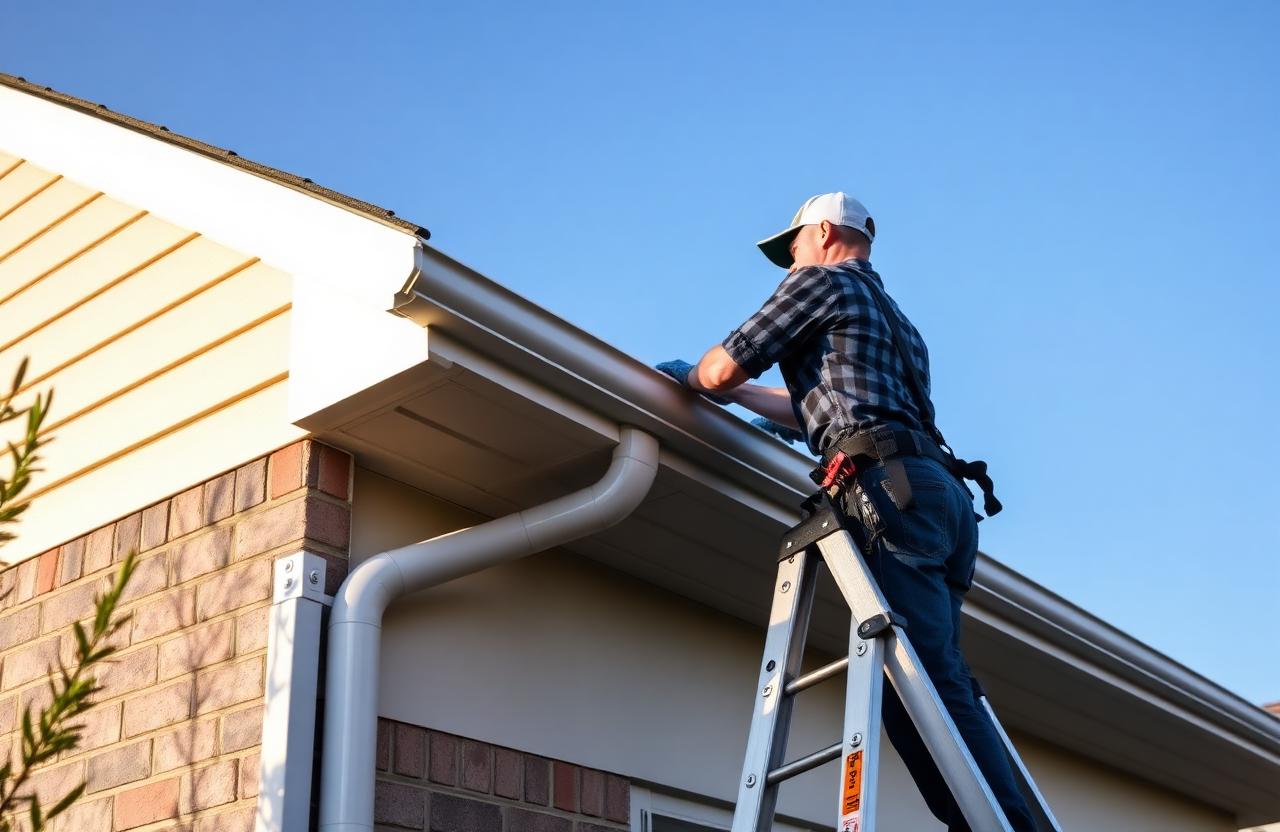
- Gutter cleaning: $100 – $250
- Pressure washing (per hour): $75 – $150
- Light fixture replacement: $65 – $200
- Tile repair (small area): $100 – $300
How to Calculate Your Minimum Profitable Hourly Rate
Step 1: List every recurring monthly cost — insurance, vehicle, tools, software, phone, marketing. Add them up. Step 2: Determine your desired monthly income after all business costs are paid. Step 3: Add those two numbers together. Step 4: Calculate your actual monthly billable hours (typically 100–125 for a solo operator). Step 5: Divide total revenue needed by billable hours to find your minimum rate.
Example: $1,600 expenses + $4,000 income target = $5,600 ÷ 121 billable hours = $46.28 minimum hourly rate. That is your absolute floor. Recalculate every six months.
How to Price Emergency Handyman Jobs
- Standard hours (M–F, 8am–6pm): your normal rate
- After hours (M–F, 6pm–9pm): 1.25× standard rate
- Weekends and holidays: 1.5× standard rate
- Genuine emergencies (same-day response): 1.5–2× standard rate
Should You Charge a Service Call Fee?
Yes. Every job you take has a cost floor before a single screw is turned. Most handymen set their service call fee between $75 and $150, positioned as the first-hour minimum. The clearest way to present this: 'There is a $100 minimum for any service call, which covers the first 30 minutes of on-site work and travel within our service area.'
Free Handyman Estimate Template
A professional estimate should include customer information, a specific scope of work with what is NOT included, a labor breakdown, a material breakdown with markup, payment terms, and warranty information. Send it digitally so the customer can approve with a signature or written confirmation.
How to Increase Prices Without Losing Customers
- Raise prices for new customers first
- Give existing customers advance notice
- Frame increases as a reflection of insurance, fuel, and equipment costs
- Raise rates when your calendar fills 2–3 weeks in advance
- Improve the customer experience alongside the price
Common Pricing Mistakes to Avoid
- Pricing without calculating your actual costs
- Forgetting non-billable hours (driving, estimating, invoicing)
- Having no minimum service fee
- Passing material costs through with no markup
- Not adjusting prices for job complexity
- Giving verbal estimates without written follow-up
- Never raising rates as your costs increase
Tips to Increase Profit Without Overcharging
Reduce drive time by grouping jobs geographically. Improve estimate accuracy by tracking estimated versus actual hours. Build a flat-rate price book for your 20–30 most common jobs so you can quote immediately over the phone. Use a CRM to reduce admin time, and upsell small additional work during each visit.
Frequently Asked Questions
How much should a handyman charge per hour? Self-employed handymen typically charge $50–$80 per hour in 2026, while those operating through companies or franchises charge $75–$125 per hour. Start by calculating your minimum profitable rate, then research your local market.
Should a handyman charge hourly or flat rate? Both belong in your toolkit. Use flat rate for common, predictable jobs and hourly for diagnostic or unpredictable work. A hybrid approach — service call fee plus hourly — works well for many situations.
How much should I charge for odd jobs? Apply your minimum service call fee to any job, regardless of how small. Even a 20-minute job should be charged at your minimum, because the cost of showing up exists regardless of how quickly the work is completed.
Should I charge for travel time? Yes — at minimum, through a service call fee or minimum charge policy. Common charges for travel beyond a service area are a flat $10–$50 or $0.30–$0.60 per mile.
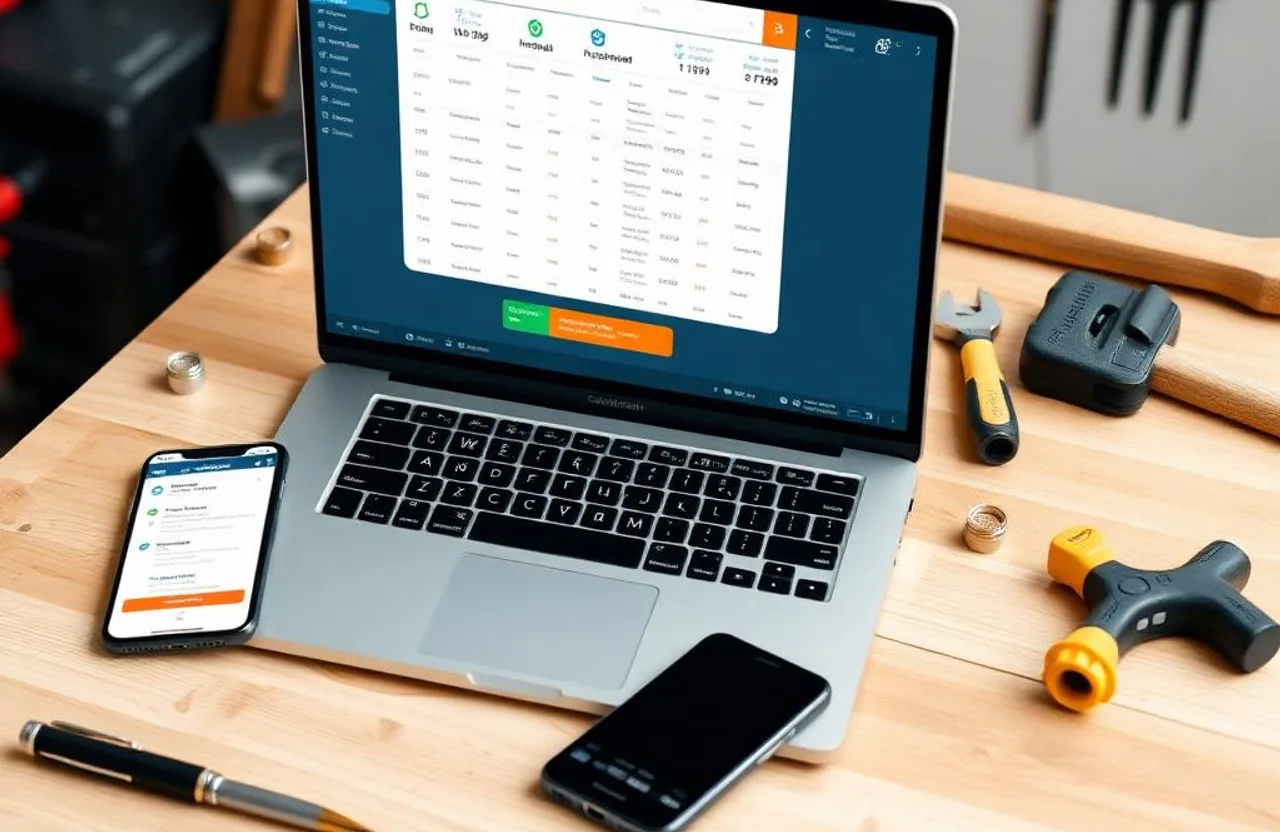
Can handyman estimating software improve pricing accuracy? Significantly. FixerCRM combines estimating, invoicing, scheduling, and customer management in a single platform built for handyman businesses — every estimate you send is consistent, professional, and stored for future reference.
Final Thoughts
A handyman business that prices its work accurately earns more per job, attracts better customers, and builds genuine financial stability — without working more hours. Use the formula in this guide to calculate your true minimum profitable rate, build a price book for common jobs, and create professional written estimates for every job above your minimum.
At FixerCRM, we build the complete system that supports profitable handyman businesses — professional websites that generate leads, CRM tools that manage estimates and follow-ups, and automation that ensures no call goes unanswered.
Ready to grow?